
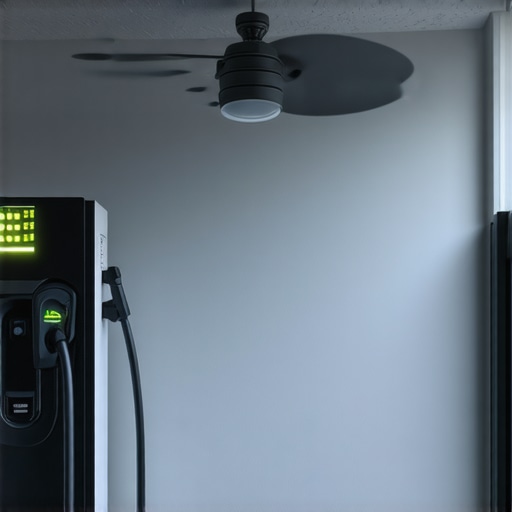
Have you ever been in the middle of charging your electric vehicle or relaxing under your ceiling fan, only to be hit with a sudden malfunction? I remember the frustration vividly—imagine the disappointment when your EV charger refuses to work just when you need it most, or your ceiling fan stops spinning on a hot summer day. That lightbulb moment hit me hard: troubleshooting electrical issues isn’t just about guessing—it’s about knowing the right steps from the start. And trust me, I’ve made my fair share of rookie mistakes early on, like attempting quick fixes without proper diagnosis, which only made things worse. Today, I want to share practical, expert-backed tips to help you identify and fix common problems with your electric vehicle chargers and ceiling fans quickly and safely. If you’ve faced these headaches, you’re not alone—and help is just a few steps away.
Why Fixing Your Chargers and Fans Fast Matters More Than Ever
In our busy lives, a malfunctioning EV charger or ceiling fan isn’t just a minor inconvenience. It can disrupt your routine, drain your patience, and even lead to more costly repairs if ignored. With the surge of electric vehicle adoption, having a reliable charger is no longer optional—it’s essential. Similarly, a ceiling fan isn’t just about comfort; it’s about energy efficiency and maintaining a pleasant home environment. According to a recent study, improper electrical troubleshooting can cause safety hazards, including fires or electrical shocks, if not handled correctly. That’s why understanding how to troubleshoot efficiently and accurately is a skill worth developing. I’ve learned through trial and error that rushing into repairs without proper knowledge often leads to more headaches. Instead, I now turn to expert tips and proven methods, which can be found in trusted resources like the electrician troubleshooting guide.
Have You Faced This Issue Before?
Think back—have you ever tried to fix a malfunction yourself and ended up making it worse? That’s a common mistake I made early on. Without proper diagnosis, I often replaced parts unnecessarily or overlooked simple fixes, wasting time and money. Learning from these missteps, I now rely on expert advice to troubleshoot effectively. If you’re curious about how to avoid these pitfalls, stay tuned—next, I’ll walk you through the most common issues and how to tackle them with confidence.
When my ceiling fan suddenly stopped spinning during a heatwave, I knew I had to act fast. Instead of blindly replacing parts, I followed a step-by-step process to diagnose the issue effectively. This approach saved me time and money, and I learned valuable troubleshooting techniques for both EV chargers and ceiling fans.
Check the Power Source First
Think of your electrical device as a car engine; if there’s no fuel, it won’t start. Begin by ensuring the outlet or circuit breaker supplying your EV charger or ceiling fan is active. Use a voltage tester or plug in a different device to confirm power availability. If the outlet is dead, reset the breaker or consult an electrician to fix the underlying issue. For detailed safety checks, refer to this electrician troubleshooting guide.
Inspect Connections and Switches
Loose wires or faulty switches are common culprits. Turn off the power before inspecting. For ceiling fans, remove the cover and check for loose wire nuts or disconnected leads. For EV chargers, verify that the plug is firmly inserted and the cord isn’t frayed. Remember, a loose connection is like a bad handshake; it can cause intermittent problems. Tighten or replace faulty connections as needed, following safety protocols outlined in this electrician guide.
Test the Components
After securing connections, test individual components. For ceiling fans, switch the fan on and listen for humming sounds, indicating motor activity. If silent, the motor or capacitor may be faulty. For EV chargers, check display panels for error codes or blinking lights. Use the manufacturer’s manual to interpret these signals. Replacing a capacitor or resetting an error code can often resolve issues quickly, as shown in expert tips for quick fixes.
Diagnose Mechanical and Electronic Problems
Sometimes, the problem is mechanical. For fans, blades might be obstructed or the motor shaft might be misaligned. For EV chargers, internal circuitry might be damaged. Carefully inspect for obstructions, debris, or burnt components. Use a multimeter to test electrical continuity where applicable. If you’re unsure, consulting a professional electrician can prevent further damage and ensure safety, as recommended in DIY troubleshooting tips.
Perform Safety Checks and Final Tests
Before restoring power, double-check all connections and ensure there are no exposed wires or signs of damage. Turn the breaker back on and test the device. For ceiling fans, verify they spin freely and respond to the switch. For EV chargers, plug in your vehicle and confirm proper charging. If problems persist, it might be time to call a licensed electrician. Remember, safety always comes first, as emphasized in electrician troubleshooting essentials.
By following these concrete steps, you can troubleshoot most common issues with your EV chargers and ceiling fans efficiently. Clear diagnosis and careful inspection prevent unnecessary replacements and keep your home running smoothly. Keep practicing these techniques, and you’ll become more confident in tackling electrical problems head-on!
Many homeowners believe they fully understand how to troubleshoot ceiling fans and EV chargers, but in reality, some misconceptions can lead to costly mistakes. Let’s dig deeper into what most people get wrong and the subtle details that can make a big difference in your troubleshooting process.
Why The Usual Advice Might Fail You
One widespread myth is that resetting the circuit breaker always fixes electrical issues with ceiling fans or EV chargers. While a reset can resolve some problems, it often masks underlying issues like faulty wiring or defective components. Relying solely on this step without thorough inspection can lead to recurring failures. Advanced troubleshooting involves checking for voltage at the outlet with a multimeter, as explained in this detailed guide.
Beware of Overlooking the Small Details
Loose connections or corrosion are common culprits, yet many skip this step, assuming the problem is more complex. For ceiling fans, even tiny wire nuts that have come loose can stop the fan from spinning. Similarly, for EV chargers, a frayed cord or a loose plug can cause charging interruptions. A common mistake is neglecting to inspect and tighten these connections, which can be an easy fix if caught early.
Advanced Issue: Capacitors and Internal Components
Many DIY enthusiasts forget that ceiling fans contain capacitors that can fail silently, leading to motor issues. Replacing a capacitor requires understanding how to discharge it safely and testing with a multimeter. Similarly, EV chargers have internal power modules that may develop faults, but these are rarely obvious without proper diagnostic tools. Consulting a professional or referring to expert troubleshooting tips can save you time and prevent further damage.
Why You Should Never Ignore Subtle Signs
Sometimes, the problem isn’t an obvious failure but a gradual decline in performance. For example, a ceiling fan that wobbles or makes unusual noises might be suffering from misaligned blades or worn-out bearings. These mechanical issues can cause electrical problems over time if not addressed. Similarly, intermittent charging issues with EV chargers may indicate internal component degradation, which could lead to safety hazards if left unattended.
In my experience, understanding these nuances helps prevent quick fixes that only mask the real problem. Always check the small details and consider advanced diagnostics if simple solutions don’t work. For more in-depth advice, see this comprehensive troubleshooting guide.
Have you ever fallen into this trap? Let me know in the comments!
Keeping your electric vehicle chargers and ceiling fans in top shape over time requires more than just troubleshooting when issues arise. Investing in the right tools and adopting a consistent maintenance routine can extend their lifespan, improve performance, and prevent unexpected breakdowns. One of my favorite tools is a high-quality digital multimeter. I rely on this device daily because it allows me to quickly check voltage levels, continuity, and identify faulty components without dismantling entire units. When paired with a non-contact voltage tester, I can safely verify power presence before starting any work, significantly reducing the risk of electrical shocks.
For cleaning and inspecting connections, I swear by a set of precision screwdrivers. These help me access tight spots within ceiling fans or EV chargers without damaging delicate parts. Regularly tightening loose wire nuts and cleaning corrosion with contact cleaner keeps connections solid and prevents intermittent faults. Additionally, a good flashlight with adjustable focus helps me spot subtle issues like tiny cracks or burn marks that could be missed in poor lighting conditions.
Beyond tools, software updates from manufacturers are crucial for maintaining smart EV chargers. Many modern chargers come with firmware that improves safety features and compatibility. I make it a habit to check for updates periodically, which can often be downloaded from the manufacturer’s website or app. This trend toward connected devices means that in the future, remote diagnostics and automatic updates will become standard, reducing the need for manual troubleshooting.
What about long-term care? How do I maintain my devices over time?
Establishing a routine inspection schedule is key. Every few months, I visually inspect all connections, clean dust and debris, and test critical components with my multimeter. For ceiling fans, lubricating moving parts and balancing blades can prevent wobbling and reduce wear. For EV chargers, ensuring the enclosure remains sealed protects internal electronics from moisture and dirt. Additionally, replacing worn-out parts like capacitors or worn brushes proactively can save you from costly repairs later. Remember, addressing small issues early is always more cost-effective and safer.
Using a dedicated maintenance log helps me track when I last checked or replaced parts, making it easier to spot patterns or recurring problems. Also, subscribing to manufacturer updates and community forums keeps me informed about common issues and solutions. As technology advances, expect smarter tools—like diagnostic apps that connect via Bluetooth—to become more prevalent, making maintenance even simpler and more effective.
If you want to get serious about maintaining your equipment, I recommend trying out a good quality multimeter combined with regular visual inspections. These simple yet powerful steps can dramatically improve the longevity and performance of your devices. For more detailed advice, check out this resource on electrical troubleshooting routines. Remember, consistent care today ensures your devices will serve you reliably for years to come.”,
The Hardest Lesson I Learned About Troubleshooting Ceiling Fans and EV Chargers
One of my biggest realizations was that rushing to replace parts without proper diagnostics often led to unnecessary expenses and safety risks. Taking the time to methodically check connections, components, and power sources saved me from costly mistakes and dangerous situations. It taught me that patience and a systematic approach are your best allies in electrical troubleshooting.
What I Wish I Knew Before Diving Into Troubleshooting
I underestimated the importance of safety checks and proper tools early on. Investing in a quality multimeter and non-contact voltage tester transformed my troubleshooting process. These tools helped me identify issues quickly and safely, preventing accidental shocks and further damage.
The Unexpected Benefits of Routine Maintenance
Regular inspections and cleaning of ceiling fans and EV chargers not only extend their lifespan but also catch small issues before they escalate. Establishing a maintenance schedule and keeping a log of repairs helps me stay proactive and confident in my home’s electrical health.
Where I Turn for Trusted Advice
- My Essential Toolkit for Troubleshooting: A durable multimeter and contact cleaner are my go-to tools for accurate diagnostics and maintenance.
- Books That Changed How I View Electrical Repairs: The comprehensive electrical troubleshooting guides available online provide step-by-step procedures that demystify complex problems.
- Reliable Online Resources: The electrician troubleshooting guide at this link offers detailed insights that I consult regularly for problems that stump me.
- Community Forums and Expert Blogs: Engaging with experienced electricians and DIY enthusiasts online has expanded my knowledge and confidence in handling electrical issues.
Take Action and Keep Improving
Electrical troubleshooting is a skill that grows with practice and curiosity. The more you learn and apply, the more confident you’ll become in maintaining your home’s electrical systems. Don’t hesitate to start small—every fix is a step toward mastery. Remember, safety and patience are your best friends in this journey.
Have you ever struggled with diagnosing a ceiling fan or EV charger issue? Share your experience in the comments below—I’d love to hear your story and help you troubleshoot better!