
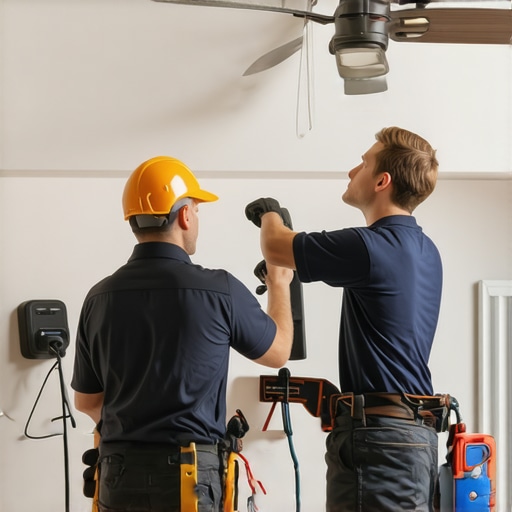
I remember the exact moment when I realized how crucial quick fixes can be. It was a hot summer afternoon, and my ceiling fan suddenly stopped working just when I needed it most. Frustration set in as I fumbled with the controls, thinking I could fix it myself. Turns out, I was about to make a costly mistake by trying to troubleshoot without proper knowledge. That experience taught me a vital lesson: when it comes to ceiling fans and EV chargers, trusting skilled electricians for quick, reliable repairs is a game-changer.
Your Shortcut to Fixing Ceiling Fans & EV Chargers Fast
If you’ve ever faced a malfunctioning ceiling fan or an EV charger that refuses to work, you know how disruptive it can be. These issues not only cause inconvenience but can also affect your home’s comfort and your electric vehicle’s charging schedule. The good news is, with the right guidance and professional help, you can resolve these problems swiftly. Today, I’ll share proven strategies and tips that skilled electricians use to troubleshoot and fix these common electrical nuisances efficiently.
Is Relying on Electricians Really Worth It? Here’s Why I Swear by Them
Early on, I thought I could save a few bucks by tinkering myself. Big mistake. I ended up causing more damage and spending more time and money than I would have if I had called a professional from the start. Electricians bring expertise, safety, and speed to the table. They know exactly where to look and how to fix issues without unnecessary guesswork. For detailed tips on troubleshooting and quick fixes, check out this resource. Trust me, avoiding DIY pitfalls is worth every penny.
Now, let’s get into the practical steps that will help you understand the common problems and how skilled electricians get your systems back up and running in no time. Whether it’s a flickering ceiling fan or a stubborn EV charger, the right approach makes all the difference. Ready to become a troubleshooting pro? Keep reading.
Diagnose Before You Attempt
Start by identifying the specific problem. For instance, if your ceiling fan isn’t spinning, check if it’s receiving power and if the switch works correctly. Similarly, for EV chargers, verify the connection to your vehicle and the power supply. Remember, a simple loose wire or tripped breaker often causes these issues, and pinpointing the cause saves time and money.
Test the Power Supply
Use a multimeter to confirm voltage at the fixture or outlet. If voltage is absent, the issue might be with your circuit breaker or wiring. If voltage is present but the device isn’t working, the fault lies within the device or its connections. This step is crucial to avoid unnecessary repairs or dangerous DIY attempts. For detailed electrical troubleshooting techniques, check out this guide.
Reset, Reconnect, and Reboot
Many issues are resolved with a simple reset. Turn off the breaker controlling your fan or EV charger, wait 30 seconds, then turn it back on. For ceiling fans, if they have a remote, replace the batteries and re-sync the remote with the fan. For EV chargers, unplug and replug the unit, ensuring all connections are tight. This mimics a reboot, often clearing minor glitches. If problems persist, move to more specific fixes.
Check for Loose Connections
Turn off the power before inspecting wiring. Look for loose or disconnected wires at the fixture, switch, or outlet. Tighten any loose screws or terminals with a screwdriver. For ceiling fans, pay special attention to the grounding wire and the fan’s control switch. For EV chargers, ensure the charging cable is properly connected to the power source and vehicle. Proper connections prevent overheating and ensure reliable operation. For expert tips on wiring, see this resource.
Replace or Repair Components
If wiring looks fine, consider replacing worn-out parts. For ceiling fans, if the motor or capacitor is faulty, replacing these components restores functionality. For EV chargers, faulty circuit boards or fuses may be the cause. Always use manufacturer-approved parts to ensure safety and compatibility. If you’re unsure about handling these replacements, professional electricians can do it swiftly, saving you time and risk. For detailed component troubleshooting, check this guide.
Advanced Troubleshooting Strategies
When simple fixes don’t work, consider testing the device in a different outlet or location. For ceiling fans, try connecting to a different switch or circuit. For EV chargers, test with another vehicle or charger station if possible. This isolates the problem. If the device still doesn’t work, it’s likely an internal fault requiring professional repair. Skilled electricians can diagnose complex issues with specialized tools and experience, providing quick and reliable solutions. Learn more at this resource.
When to Call the Professionals
While basic troubleshooting can be done safely, complex problems involving wiring, circuit boards, or high voltage should be handled by licensed electricians. Attempting risky repairs can lead to electrical shock or fire hazards. Remember, electricians bring the expertise, safety, and speed needed to fix your ceiling fan or EV charger efficiently. For trusted assistance, explore this ultimate guide.
Many homeowners fall for myths that can lead to costly mistakes when troubleshooting ceiling fans and EV chargers. One of the most common misconceptions is that all issues are simple to diagnose with a quick online fix. In reality, these systems often involve intricate wiring and components that require professional expertise. Relying solely on DIY solutions can sometimes cause more damage, especially if you overlook fundamental safety protocols. For instance, attempting to replace internal parts without proper knowledge risks electrical shock or fire hazards. According to electrical safety experts, understanding the nuances of your system is crucial before attempting any repairs. For an in-depth guide on this, check out this resource.
Why Do Many People Fail to Spot Internal Faults?
One of the biggest pitfalls is assuming that if a ceiling fan or EV charger isn’t working, it’s due to a simple power outage or tripped breaker. While these are common causes, internal faults—such as damaged capacitors, faulty circuit boards, or corroded wiring—are often overlooked. These issues don’t always trigger obvious signs like tripped breakers, making them tricky to identify without specialized tools. A professional electrician uses multimeters and circuit analyzers to detect subtle faults that DIYers might miss. Ignoring these internal problems can lead to repeated failures, costing you more in the long run. For expert insights on diagnosing internal faults, visit this guide.
What Advanced Mistakes Do Even Experienced DIYers Make?
Even seasoned DIY enthusiasts sometimes fall into the trap of overestimating their skills. A common mistake is attempting to rewire or replace components without fully understanding the system’s wiring diagram or safety requirements. This can cause incorrect wiring connections, leading to short circuits or damage to sensitive electronic parts. Moreover, neglecting to turn off the main power supply before working on high-voltage components can be deadly. Studies from the National Fire Protection Association highlight that most electrical fires are caused by improper repairs. Therefore, if you’re unsure about the internal workings or the correct procedures, it’s best to consult a professional. For detailed tips on avoiding these pitfalls, see this resource.
Have you ever fallen into this trap? Let me know in the comments. Remember, when in doubt, trusting a licensed electrician not only saves you time and money but also keeps your home safe.
Keep It Running Smoothly Over Time
Once you’ve successfully fixed your ceiling fan or EV charger, the next challenge is maintaining it to prevent future breakdowns. The key lies in regular inspections and using the right tools for ongoing care. I personally recommend investing in a high-quality multimeter like the Fluke 117. This device isn’t just for troubleshooting during emergencies; it helps me monitor voltage levels periodically, ensuring my systems stay within safe ranges. Its accuracy and durability make it a staple in my toolbox, saving me from costly repairs down the line.
Another essential tool I use is a thermal imaging camera. It’s incredibly useful for detecting hotspots that might indicate loose connections or failing components before they cause a complete failure. With a thermal camera, I can scan my electrical panels or fixtures and spot potential issues early. This proactive approach has saved me from unexpected outages and expensive repairs, giving me peace of mind.
In addition to tools, software like electrical testing apps can streamline maintenance routines. For instance, apps that log voltage readings over time help me identify patterns or gradual declines in performance, prompting timely interventions. As technology advances, I predict more integrated smart monitoring systems will become standard, allowing homeowners to receive alerts about potential issues remotely.
How Do I Maintain Ceiling Fans and EV Chargers Over Time
Maintaining your systems regularly involves simple yet effective steps. First, schedule a visual inspection every few months. Look for dust accumulation, loose screws, or signs of wear. Clean the fan blades and vents carefully with a soft cloth—dirt buildup can impair performance. For EV chargers, ensure the cables are intact and free of damage, and check the mounting brackets for stability.
Next, test the electrical connections using your multimeter. Confirm that voltage levels are consistent and within manufacturer specifications. If you notice fluctuations or irregularities, it’s time to consult a professional. Don’t forget to update any firmware or software components if your system supports smart features. Staying on top of these maintenance tasks can extend the lifespan of your equipment significantly.
Finally, consider integrating smart sensors that monitor temperature, humidity, and connection quality. These devices can send alerts if something isn’t right, allowing you to address issues before they escalate. As the industry moves toward smarter homes, embracing these innovations will become increasingly beneficial.
Remember, DIY maintenance is valuable, but complex issues should always be handled by licensed electricians. Regular check-ups combined with the right tools and tech can keep your ceiling fans and EV chargers working flawlessly for years. If you want to get started with advanced maintenance techniques, try using a thermal imaging camera to detect early signs of trouble. It’s an investment in your home’s electrical health that pays off in peace of mind and savings.
Lessons That Changed My Approach to Electrical Fixes
- One of the hardest lessons I learned was that even seemingly simple problems often hide complex internal faults. Relying on quick fixes without proper diagnosis can lead to repeated breakdowns and higher costs. Now I understand the value of thorough troubleshooting and trusting experienced electricians to pinpoint issues accurately.
- Another insight was realizing how much safety is compromised when DIYers attempt risky repairs, especially with high-voltage systems like EV chargers. Proper training and safety protocols aren’t just recommendations—they’re essentials that can save your life.
- Finally, I discovered that regular maintenance, combined with the right tools like thermal imaging cameras, can prevent many problems before they escalate. Smart monitoring and scheduled inspections keep systems running smoothly longer and save money in the long run.
My Go-To Resources for Electrical Troubleshooting
- Expert Guides on Troubleshooting: I trust this resource because it’s packed with actionable tips from licensed electricians who understand the nuances of EV chargers and ceiling fans.
- High-Quality Diagnostic Tools: My essential toolkit includes a Fluke 117 multimeter and a thermal imaging camera. These tools give me confidence that I can identify issues early and avoid costly repairs.
- Community and Forums: Engaging with professional electrician communities online provides ongoing learning and real-world advice that keeps me updated on best practices and emerging solutions.
- Relevant Books: I highly recommend books on electrical safety and troubleshooting techniques; they deepen understanding beyond quick fixes and empower DIYers to act safely.
Take Charge of Your Electrical System Now
Empower yourself with knowledge and proper tools to handle ceiling fan and EV charger issues confidently. Remember, while DIY can be satisfying, complex problems demand professional expertise to ensure safety and reliability. Starting with the right diagnosis and trusting experts when needed will keep your home’s electrical systems running smoothly for years to come. What’s the first repair you’re planning to tackle? Share your thoughts below and let’s learn together!