
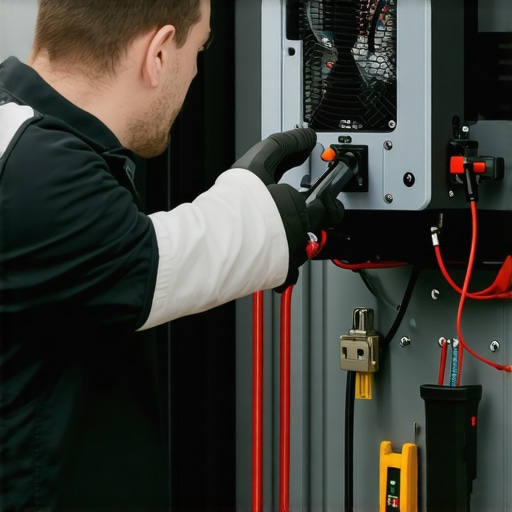
Ever been in the middle of a busy day, ready to head out, only to find your EV charger or ceiling fan refusing to cooperate? That frustrating moment when your smart home devices suddenly go silent can really put a damper on your plans. I remember the first time I faced this dilemma—my brand-new EV charger just stopped working, and I felt completely lost. I had no idea where to start, and like many, I assumed I’d need to call in a professional right away. But after some trial, error, and a few lessons learned, I discovered simple troubleshooting tips that can save you time, money, and unnecessary headaches.
Why Quick Fixes Matter More Than Ever
In today’s fast-paced world, waiting for a repair isn’t just inconvenient—it can also be costly. Whether you rely on your electric vehicle daily or want your ceiling fan to keep your home comfortable, these devices need to work reliably. The good news? Many issues are straightforward to diagnose and fix if you know what to look for. As I’ve learned from experience, not every problem warrants a costly service call. Sometimes, a quick check of the wiring or a reset can get things back up and running in no time. Plus, mastering these basic troubleshooting skills empowers you to handle future hiccups without panic.
Have you ever faced a stubborn EV charger or ceiling fan that just wouldn’t turn on? If so, you’re not alone. I’ve been there myself, and I’ll share what I wish I knew from the start—so you don’t have to waste time or money.
Early on, I made the mistake of assuming that all electrical issues were complicated or required professional help. That’s not always true. In fact, according to expert electricians, many common problems with EV chargers and ceiling fans can be quickly diagnosed with a few simple steps. Understanding the basics of electrical troubleshooting can drastically cut your repair time and give you peace of mind.
In the following sections, I’ll walk you through proven tips and tricks used by professional electricians to troubleshoot and fix these common issues fast. Whether it’s a loose connection, a blown fuse, or a faulty switch, you’ll learn how to identify the culprit and fix it yourself, safely and efficiently. Ready to become your own troubleshooting hero? Let’s dive into the practical solutions that can save your day—and your wallet.
Start with the basics and inspect your connections
My first real test came when my EV charger suddenly refused to charge my car. Instead of panicking, I grabbed a flashlight and checked the power cord and outlet first. Think of electrical connections like the roots of a tree — if they’re loose or corroded, the whole system struggles. Tighten any loose plugs, look for signs of damage, and ensure the outlet isn’t tripped by a breaker. If you find a blown fuse or tripped breaker, resetting it might solve the issue immediately. For ceiling fans, start by turning off the power at the breaker and removing the fan’s cover to inspect wiring for loose or disconnected wires. This simple step often reveals the culprit, saving you a service call.
Confirm power supply and reset devices
Once your connections look good, check if the device is receiving power. Use a voltage tester or plug in a different device to verify the outlet’s functionality. When I faced my ceiling fan issue, I used a basic multimeter — it’s like a blood pressure cuff for electrical circuits. If power is reaching the device but it still doesn’t work, try resetting it. For most smart devices, a reset button or a simple power cycle (turning off for 10 seconds and on again) can clear glitches. This step is like rebooting your computer — often, it’s enough to fix temporary bugs.
Diagnose with simple tests and visual check
Next, perform a visual inspection for obvious issues. Check for burnt smells, discoloration, or melted wires — these are signs of serious problems and you should call a professional. For my EV charger, I also checked the display for error codes, which are like symptoms pointing to a specific problem. If your device has an app, consult it for diagnostics. For ceiling fans, inspect the switch, remote control batteries, and pull chain. Sometimes, a faulty switch or dead batteries are the only cause. Remember, troubleshooting is akin to being a detective — gather clues step by step.
Test components individually to isolate the problem
If everything seems fine but the device still won’t work, test components individually. For my EV charger, I replaced a suspect circuit breaker with a known working one, which confirmed whether the breaker was faulty. For ceiling fans, test the remote control by replacing batteries or try a different switch if accessible. These small tests eliminate variables and help you pinpoint the exact problem. If a component fails, replacing it is often straightforward and cost-effective.
Know when to call a professional
If after these steps your device remains unresponsive, it’s time to consult a professional electrician. Complex issues like internal wiring faults or bad circuit boards require expert knowledge and safety precautions. Don’t hesitate to reach out — professional electricians offer quick, reliable repairs and can diagnose hidden problems you might miss. For guidance on when to seek professional help, visit this guide.
Remember, safety always comes first. Turn off power before inspecting or working on electrical devices, and use insulated tools. With patience and a methodical approach, you’ll be surprised how many problems you can fix yourself, saving time and money.
Many people approach troubleshooting their smart home devices with a set of assumptions that can actually hinder effective diagnosis. Let’s dig deeper into some of these misconceptions and reveal the hidden nuances that can make a big difference in your DIY repair efforts.
Thinking All Problems Are Simple or Self-Resolving
One of the most common myths is that if a device isn’t working, a simple reset or power cycle will fix it. While these steps often work for minor glitches, they can also lead you to overlook underlying issues. For example, an EV charger that refuses to charge might seem like a temporary software bug, but the real problem could be a faulty circuit breaker or damaged wiring. Relying solely on resets can delay necessary repairs and sometimes exacerbate the damage. To truly troubleshoot effectively, you need to analyze the root cause rather than just the symptom. A professional electrician’s expert guide emphasizes the importance of understanding electrical flow and component functionality.
Overlooking the Importance of Proper Inspection
Many assume that if a device is plugged in and the breaker is on, everything is fine. But the devil is in the details. Corrosion on contacts, loose wires, or damaged switches can cause intermittent or total failure. For ceiling fans, a loose connection in the switch or remote control receiver might be the culprit, not the fan motor itself. Regular, thorough inspection of internal components can prevent misdiagnosis. Remember, visual clues like discoloration or burnt smells are often the first indicators of deeper electrical faults. Check out expert tips for detailed inspection techniques.
Believing Complex Repairs Are Always Necessary
Another misconception is that only professionals can handle complex electrical problems. While some issues do require specialized skills, many troubleshooting steps are straightforward and can be executed safely with proper precautions. For instance, replacing a faulty switch or resetting a circuit breaker is within the realm of a confident DIYer. Overcomplicating the problem by assuming it’s a major internal failure can lead to unnecessary expenses and delays. Educating yourself on the basics, such as testing individual components, can save you time and money. For a comprehensive approach, see this expert guide.
How Do You Troubleshoot Advanced Electrical Problems Safely?
For the seasoned DIY enthusiast, understanding the nuances of electrical systems can be a game-changer. Advanced issues—like internal circuit board failures or wiring faults—are tricky but not impossible to diagnose if you follow a methodical approach. Use tools like multimeters to check voltage levels at various points, and always turn off power before inspecting internal components. Recognize the signs of serious problems, such as melted wires or persistent error codes, and don’t hesitate to seek professional help when needed. Learning to distinguish between a simple fix and a complex repair is key for ensuring safety and efficiency. For expert advice on tackling these challenges, visit this resource.
Have you ever fallen into this trap? Let me know in the comments how you handled your latest troubleshooting adventure and what you learned from it. Remember, understanding the real nuances behind electrical issues can turn a frustrating experience into a rewarding skill.
Ensuring your electrical devices like EV chargers and ceiling fans continue to operate smoothly over time requires more than just initial installation. It involves a combination of the right tools, routine maintenance, and a proactive approach to troubleshooting. Personally, I rely on a few key pieces of equipment that have proven invaluable in my DIY and professional work, and I recommend them to anyone serious about keeping their home systems in top shape.
Invest in a Quality Multimeter for Accurate Diagnostics
A dependable multimeter is the cornerstone of effective troubleshooting. I prefer a digital multimeter with auto-ranging capabilities, such as the Fluke 115 — it provides precise voltage, current, and resistance measurements. This tool is essential for verifying power supply stability, checking wiring continuity, and diagnosing faults in your EV charger or ceiling fan wiring. By regularly testing different points, I catch potential issues early before they escalate into costly repairs.
Use a Non-Contact Voltage Tester for Safe Checks
Safety is paramount, especially when working around live circuits. I always keep a non-contact voltage tester, like the Klein NCVT-2, in my toolkit. It allows me to quickly confirm whether a circuit is energized without risking a shock. This is particularly useful when inspecting switches or outlets connected to ceiling fans or EV chargers. Incorporating this step into your routine ensures you work safely and confidently.
Maintain Connections with a Quality Screwdriver Set
Loose or corroded connections are common culprits behind device failures. I recommend investing in a precision screwdriver set with insulated handles, such as Wiha’s Electrician’s Screwdriver Set. It helps you tighten terminals securely without damaging wires. Regularly inspecting and tightening connections prevents intermittent faults and extends the lifespan of your devices.
Embrace Software and Firmware Updates
Modern EV chargers and smart ceiling fans often come with firmware that can be updated for improved performance and security. I stay ahead by subscribing to manufacturer notifications and regularly checking for updates. Keeping your devices’ software current can fix bugs, enhance compatibility, and introduce new features, reducing the need for troubleshooting down the line. For detailed guidance, check out this expert guide.
Plan for Future Scalability and Long-term Maintenance
As your smart home evolves, so should your maintenance approach. I recommend creating a schedule for routine inspections—perhaps every six months—to check connections, clean dust from electrical components, and verify firmware updates. Additionally, consider installing surge protectors for your EV charger and ceiling fan systems to guard against power surges that can cause damage over time.
Looking ahead, trends in IoT and smart home technology suggest that integration will become even more seamless. Investing in tools that facilitate remote diagnostics or firmware management will be invaluable. For now, mastering the basics with reliable tools and regular maintenance will keep your devices working reliably for years to come. Try setting up a routine inspection with your multimeter and firmware checks—it’s a small step that can prevent big problems.
The Hardest Lesson I Learned About troubleshooting,EV charger,electrician,ceiling fan
One of the biggest surprises I encountered was realizing how often simple visual inspections can reveal issues that seem complex at first. I used to jump straight to replacing parts or calling a professional, but the lightbulb moment was understanding that a loose wire or a corroded contact can cause most problems. That realization saved me hours and unnecessary expenses.
3 Myths About troubleshooting,EV charger,electrician,ceiling fan That Held Me Back
I used to believe that every problem needed a professional repair. Turns out, many issues are DIY-friendly if approached with the right tools and knowledge. Another myth was that all circuits are equally dangerous—proper safety precautions make DIY troubleshooting safe and effective. Finally, I thought firmware updates were optional; now I see they’re often the key to fixing persistent bugs.
What Experts Won’t Tell You About troubleshooting,EV charger,electrician,ceiling fan
Most electricians agree that the real secret to quick fixes is patience and methodical testing. They also emphasize the importance of understanding your devices’ wiring diagrams and error codes, which can be found in the user manuals or online resources. Learning these details can turn a frustrating outage into a straightforward repair.
Curated Resources for Smarter Troubleshooting
For reliable tools, I recommend a digital multimeter like the Fluke 115, which provides accurate voltage readings essential for diagnosing issues. A non-contact voltage tester such as the Klein NCVT-2 is invaluable for safety checks. When it comes to learning, I trust the comprehensive guides at expert electrical troubleshooting. Additionally, regular firmware updates from manufacturers can prevent many common glitches, so keep an eye on those.
Take Action, Your Home Will Thank You
Remember, troubleshooting is a skill that pays off. With the right mindset and tools, you can handle many electrical hiccups confidently. Start small, stay safe, and don’t hesitate to seek professional help when needed. Improving your DIY troubleshooting not only saves money but also empowers you to keep your smart home running smoothly. Your journey into electrical mastery begins today—why not take the first step now? And if you’ve ever faced a stubborn device, share your story below. I’d love to hear how you tackled it!
This post really hits home for me, especially since I’ve encountered similar issues with my ceiling fan not responding during a hot summer. I have a basic understanding of electrical work but always hesitated to try fixing these myself fearing safety risks or making things worse. What I found helpful was first inspecting the switch and remote batteries, which turned out to be the culprit a couple of times. Using a multimeter to check wiring continuity has also been a game-changer. One thing I still wonder about is how to handle more complex issues like internal circuit faults without risking safety. Has anyone found effective ways to diagnose those safely at home? I believe gaining confidence in these basic troubleshooting skills can really prevent unnecessary costs and give peace of mind for small repairs. Would love to hear tips from those who’ve successfully tackled more advanced problems without professional help.
This post really hits the mark for me, especially since I often worry about what could go wrong when troubleshooting electrical issues myself. I’ve had my fair share of frustrating moments with my ceiling fan, which sometimes just refuses to turn on, even though I know the basic checks like securing loose connections and replacing remote batteries. What I’ve learned over time is that safety is paramount; I avoid probing into internal circuitry unless I’m comfortable with working around live wires. Instead, I focus on simple steps such as verifying power supply and resetting devices—steps that often fix the problem without needing to dismantle the entire fixture. Regarding internal faults, I’ve found that looking for error codes or warning lights on smart devices can give clues without opening them up. Has anyone tried using a clamp meter for more advanced testing without risk? Would love to hear some strategies from experienced DIYers who’ve tackled complex issues safely at home. It’s quite empowering to troubleshoot with confidence, knowing when to call in the pros.