
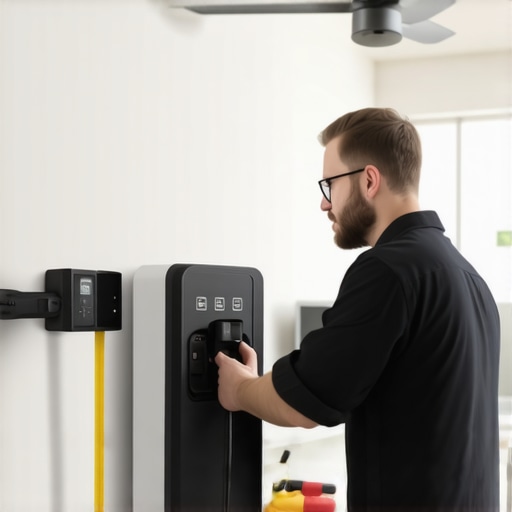
Ever been in the middle of a hot summer day or a crucial road trip, only to find your ceiling fan sputtering or your EV charger refusing to cooperate? I remember a time when I was counting on my electric vehicle to get me to an important appointment, but the charging station kept blinking with error lights. My frustration hit a new high when I realized I was about to be late because I didn’t know how to troubleshoot quickly. That lightbulb moment pushed me to learn the secrets to fast, effective fixes—not just for my peace of mind but to save valuable time and avoid unnecessary expenses.
Why Quick Troubleshooting Skills Are a Game-Changer
When technical problems spring up with your EV charger or ceiling fan, the stakes feel high. It’s easy to panic, but having a handful of expert tips can turn a disaster into a minor glitch. Think about it—every electrician I’ve known swears by a few core strategies to identify issues fast and get things back up and running without a lengthy service call. As the demand for home EV charging and smart ceiling fans grows, these troubleshooting skills are no longer optional—they’re essential for any homeowner who wants to stay in control. Plus, studies show that regular DIY maintenance can extend the lifespan of your appliances and save you hundreds, if not thousands, over time. (Source: this expert guide)
Will I Really Be Able to Fix It Myself, or Is That Just Wishful Thinking?
Early on, I made the mistake of assuming all problems needed a costly professional visit. Turns out, many issues are surprisingly simple to resolve with a bit of know-how. Learning these quick troubleshooting techniques—like checking circuit breakers or inspecting connections—has saved me from unnecessary service calls countless times. If you’ve ever felt overwhelmed by electrical quirks, don’t worry. With the right guidance, you can become your own troubleshooting hero. Curious how? Keep reading, because I’ll show you exactly what works based on real-world experience and expert advice, like the top electrician tips you can access here. Now, let’s dive into the first steps you should take when your EV charger or ceiling fan acts up—because understanding the root cause is half the battle won.
Check the Power Source First
When my ceiling fan stopped spinning unexpectedly, my first move was to ensure it was receiving power. Think of your electrical setup like a water pipe system—if there’s no water flow, you check the main valve. Turn off the breaker that supplies power to the device, then turn it back on to see if that resets any internal safety switches. For my EV charger, I inspected the outlet and circuit breaker to confirm the power supply was active. This initial step is crucial because many issues resolve simply by restoring power, saving you a trip to the electrician.
Inspect Connections and Cables
Next, I verified all the connections. Over time, vibration or small accidents can loosen wires—like a leash slipping from a dog’s collar. For ceiling fans, I checked the wires connected to the motor and the switchplate, ensuring none were loose or disconnected. Similarly, for my EV charger, I inspected the charging cable and plug for damage or looseness. Tighten any loose terminals carefully, since loose contacts can cause intermittent operation or complete failure. Be cautious: always turn off power before touching wiring. For detailed guidance, see this troubleshooting guide.
Test the Circuit Breakers
Circuit breakers act like gatekeepers—if overloaded, they trip to prevent damage. If your ceiling fan isn’t working, push the breaker switch to the OFF position then back to ON to reset it. Sometimes, a breaker can look fine but won’t make contact internally. While performing this check, I noticed a breaker that felt slightly loose, which could cause inconsistent power flow. Tightening or replacing faulty breakers is a task best handled by an electrician, but understanding how to identify tripped or faulty breakers helps you communicate issues efficiently. You can learn more about electrical troubleshooting strategies at this resource.
Evaluate the Thermostat or Control Switch
Sometimes, the problem isn’t the power but the control mechanism. In my case, the ceiling fan’s wall switch had a worn-out toggle. Replacing it restored functionality instantly. For EV chargers with app-based controls, ensure your smartphone app is connected and updated. If your fan or charger isn’t responding to controls, disconnect power, and then restore it to check if the switch or control board is the culprit. For specific steps, see these expert tips.
Discharge and Reset the Device
Some devices have internal safety features that need a reset. For instance, my ceiling fan had a thermal overload switch that tripped after a long run. I manually reset it by pressing a small button on the motor housing; the fan roared back to life. EV chargers often have a reset button or a power cycle procedure—unplug, wait 30 seconds, then plug back in. This simple act can clear minor glitches caused by power surges or software hiccups. Remember, always consult the user manual or trusted resources like this guide for device-specific instructions.
Verify the Device’s Internal Components
If all external checks pass but the device remains unresponsive, internal faults may be at play. Capacitors inside the fan motor or the circuit board of the EV charger might have failed, much like a broken spring in a watch. While disassembling can be complex, visual inspection for burnt components or bulging capacitors can provide clues. I recommend turning to professional repair services if internal parts need replacement—precise diagnosis saves time and avoids further damage. To learn more about internal troubleshooting, visit this resource.
Many homeowners fall prey to oversimplified beliefs when it comes to troubleshooting electrical issues with ceiling fans and EV chargers. A prevalent myth is that circuit breakers are always reliable indicators of power status; however, I’ve seen cases where breakers appear perfectly fine but are faulty internally, leading to false assumptions. Relying solely on visual checks without a multimeter can cause you to miss hidden faults, which underscores the importance of advanced testing techniques. For instance, a homeowner once insisted the breaker was okay, yet a voltage tester revealed no power — a clear sign of a broken breaker that a simple glance wouldn’t catch. Remember, proper diagnosis often requires more than basic visual inspection; it demands an understanding of how internal components may fail silently.
What Advanced Diagnostic Tools Do Electricians Use That You Might Not Know?
Expert electricians employ devices like clamp meters and insulation testers to pinpoint faults that aren’t visible externally. These tools help identify issues like compromised wiring insulation or partially failed relays that typical checks might overlook. According to a study published in the IEEE Electrical Insulation Conference, such sophisticated testing methods significantly improve troubleshooting accuracy and safety. This tech-savvy approach emphasizes that effective troubleshooting is gradually shifting toward more precise, data-driven techniques rather than guesswork.
Another common misconception pertains to the perceived simplicity of internal component failure in devices like ceiling fans and EV chargers. Many assume replacing the entire unit is easier or more cost-effective than repairing specific parts such as capacitors or control boards. However, quick, expert-guided repairs—such as replacing a faulty capacitor—can extend device lifespan and save money. This guide highlights how a nuanced understanding of device internals empowers you to make smarter repair decisions, rather than defaulting to replacements.
Yet, the biggest trap I often see is underestimating the complexity of electrical systems in smart devices. For example, EV chargers equipped with software controls can fail due to firmware issues, which won’t be solved by a simple power reset. Advanced troubleshooting then involves diagnostic software, firmware updates, or even specific hardware testing—areas usually reserved for professionals. So, it’s crucial to recognize when the problem surpasses basic fixes and to seek expert advice rather than risking further damage. If you’re curious about refining your troubleshooting skills with professional insights, explore this comprehensive resource.
Homing in on these nuances, especially the importance of precise diagnostic methods and understanding device internals, can vastly improve your troubleshooting efficacy. Don’t fall into the trap of oversimplification—knowing what you don’t see can save you time, money, and frustration. Have you ever fallen into this trap? Let me know in the comments.
Maintaining your ceiling fans and EV chargers over the long term requires more than just occasional checks; it demands the right tools and a methodical approach. Personally, I rely on a combination of professional-grade diagnostic equipment and targeted software to ensure these systems remain reliable. For instance, a digital multimeter is indispensable for me—it’s the first tool I reach for when verifying voltage levels or testing continuity. Unlike basic testers, a high-quality multimeter allows precise readings, helping me distinguish between a faulty component and a simple wiring issue.
Additionally, I utilize specialized software for EV charger diagnostics. Many modern chargers come with companion apps that can provide real-time status updates, firmware checks, and error logs. I recommend always keeping the firmware updated—it’s one of the simplest ways to prevent issues and extend device lifespan. These tools, combined with an understanding of troubleshooting procedures, form the backbone of effective maintenance.
Looking ahead, I predict that the trend will lean heavily toward integrated diagnostic systems that connect directly to your smartphone, simplifying ongoing maintenance. As these innovations become more affordable, homeowners will have access to professional-level diagnostics without needing to call in an electrician for every minor hiccup.
How do I keep my systems running smoothly over time?
Regular inspection and proactive updates are crucial. For ceiling fans, I recommend periodic lubrication of the motor bearings—use a lightweight, electrical-safe oil—and tightening mounting brackets to prevent wobbling. For EV chargers, schedule firmware checks via the manufacturer’s app, and run diagnostic tests monthly. Incorporating these practices helps catch minor issues before they escalate into costly repairs. For in-depth guidance, check out this expert guide to troubleshooting.
To take your maintenance to the next level, I encourage you to try using a digital multimeter for voltage testing during your next inspection. It’s an easy yet powerful way to verify your devices are functioning correctly and spot potential problems early. Plus, with the increasing integration of smart diagnostics, staying updated with the latest tools positions you well for future-proofing your home system.
Over the years, I’ve learned that the most impactful troubleshooting insights often come from unexpected lessons—those lightbulb moments that shift how you see electrical issues. One hard-earned lesson was realizing that many problems appear straightforward but hide hidden complexities, like a ceiling fan that wobbles due to a loose mounting bracket but actually has worn-out bearings. Recognizing these nuances has made me a better electrician and a more confident DIY fixer.
A second revelation was that even the most silent faults—such as internal capacitor failures—are detectable with the right tools and a keen eye. Relying solely on visual cues or simple tests can be misleading. Embracing advanced diagnostics and trusting in proper testing techniques save both time and money, reinforcing that troubleshooting is as much about patience as it is about knowledge.
Finally, I discovered that understanding your devices’ inner workings demystifies many repair challenges. Knowing that a firmware issue in an EV charger requires a software update rather than a hardware part replacement has saved me from unnecessary costs. This insight stresses the importance of ongoing learning, staying updated with manufacturer tips, and leveraging expert resources—like trusted electrician guidance that continually expands my troubleshooting toolkit.
Each lesson, rooted in real-world practice, underscores a vital truth: troubleshooting isn’t about guessing—it’s about understanding and applying the right techniques. The more you learn, the fewer surprises you face, turning complex problems into manageable tasks. Keep refining your approach, and you’ll find yourself solving problems faster than ever, with greater confidence and precision.
Tools and Insights That Elevated My Troubleshooting Game
- High-Quality Multimeters: Essential for accurate voltage and continuity checks, these tools allow me to pinpoint issues with confidence. I trust brands that offer durability and precision because unreliable readings can lead to missed faults.
- Manufacturer Firmware Updates: Regularly updating device software keeps EV chargers running smoothly and prevents software-related glitches. Many manufacturers provide helpful guides—check this resource for in-depth tips.
- Diagnostic Apps and Software: Connectivity features in smart devices are game-changers. Using official apps to read error logs or run self-tests helps identify issues early and plan effective repairs.
- Educational Materials from Trusted Sources: Staying informed with expert guides ensures I keep ahead of common pitfalls and emerging trends. I recommend exploring detailed articles at this hub for ongoing learning.
Harness Your Inner Repair Whisperer
Taking that leap into troubleshooting with confidence can feel daunting, but remember—every expert started somewhere. Embrace curiosity, seek out knowledge, and don’t hesitate to experiment safely. The more you practice, the more intuitive it becomes. Whether dealing with a stubborn ceiling fan or a finicky EV charger, your growing skill set transforms problems into opportunities for mastery. So go ahead, roll up your sleeves, and turn those electrical challenges into your personal victories—you’ve got this. And if you’re ever unsure, consulting trusted resources like this comprehensive guide can be a game-changer. What’s the first electrical fix you’re planning to try on your own? Share your stories below!