
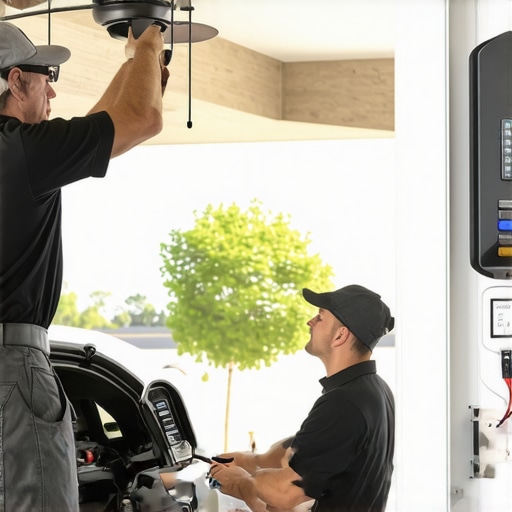
It was a hot summer afternoon when my vintage ceiling fan sputtered and stopped mid-spin—again. I had already tried flipping switches, resetting circuits, and Googling solutions, but nothing worked. That frustrating feeling crept in—was I doomed to call an electrician every time? Honestly, I’d hit a roadblock that made me question my own DIY instincts.
Stepping Into the World of Troubleshooting with Confidence
Soon, I realized many of us face similar hurdles with ceiling fans and EV chargers. These seemingly simple appliances can turn into major headaches without the right guidance. But here’s the good news: with a little know-how, you don’t have to be a tech genius or an electrician to get these systems back in working order. Today, I want to share how I cracked the code and how you can too.
Is DIY Troubleshooting Actually Worth the Hype?
One of my biggest mistakes early on was jumping straight to replacing parts without proper diagnostics. I wasted time and money on repairs that didn’t fix the core problem—sound familiar? Rushing into repairs can sometimes make things worse. That’s why I recommend a step-by-step approach, starting with understanding the common issues and troubleshooting techniques. For instance, learning how to check circuit connections or identify faulty switches can save you a lot of hassle. Curious about the most effective ways to do this? Check out this [expert guide](https://proelectricalco.com/ceiling-fan-troubleshooting-repair-tips-from-expert-electricians) to become a troubleshooting pro.
By sharing my journey, I hope to demystify the process and inspire you to tackle your own ceiling fan or EV charger issues with confidence. Stick around—next, we’ll dive into the practical tips that can turn your fix from a frustration into a success story. Whether you’ve faced a flickering fan or an unresponsive charging station, you’re not alone, and solutions are within reach.
Pinpoint the Root Cause with Precise Diagnostics
Recall the moment I flicked the wall switch and the fan remained silent. Instead of blindly replacing parts, I checked the breaker first—turns out, a tripped breaker was the culprit. Use a multimeter or voltage tester to verify power at the device. This step is crucial because it helps you avoid unnecessary repairs. Think of diagnostics as the GPS of troubleshooting; without it, you’re wandering aimlessly.
Inspect Visually Before You Dive Into Tools
Before grabbing any screwdriver, do a thorough visual inspection. Look for loose wires, burnt components, or corrosion. For example, I once noticed a frayed wire at the fan’s cap, which explained the intermittent operation. Clearing debris and securing connections can resolve many issues without complex fixes. Visual clues tell a story—pay attention and don’t overlook the obvious.
Test Components Methodically to Narrow Down Faults
Next, test critical components—switches, capacitors, relays—using your multimeter. For a ceiling fan, measure capacitor capacitance; if it’s below spec, replace it. For EV chargers, check the circuit board for visible damage or burnt spots. I once replaced a relay that had a cracked casing—and that fixed a non-responsive charger. Systematic testing saves time and prevents jumping to conclusions—think of it as troubleshooting with a checklist.
Isolate and Replace Faulty Parts Efficiently
Once identified, replace or repair the faulty component. Always turn off power before working on electrical parts—this is non-negotiable. When replacing a fan capacitor, ensure the voltage rating matches the original. For EV chargers, follow the manufacturer’s instructions for safe disassembly. Remember, proper part matching and cautious handling are key to long-term solutions. Don’t rush this step; precision pays off.
Verify Repairs and Ensure Safety
After making repairs, restore power and test the device. For my fan, I turned it on and listened for smooth operation. For the EV charger, I ran a test charge cycle. If everything runs smoothly, you’ve nailed it. If issues persist, revisit the earlier diagnostic steps. Check your work for loose connections or overlooked damage. Safety comes first—use insulated tools and double-check your work before restoring power. This final step confirms your success and keeps your home safe.
For more in-depth techniques, consult this expert guide which walks through common issues step by step. Applying these methods transforms troubleshooting from guesswork into a structured process, saving time and money while building your confidence in handling electrical problems at home. Remember, every repair is a learning opportunity—dig in, stay systematic, and you’ll become your own electrician in no time.
Many assume that troubleshooting electrical devices like ceiling fans and EV chargers is just about replacing parts until one works. However, this common misconception can lead to costly mistakes and safety hazards. In reality, a nuanced understanding reveals that jump-to-repair instincts often overlook critical diagnostic steps that save time, money, and prevent damages. For instance, superficial checks like swapping out capacitors without verifying power supply issues ignore the fact that many problems stem from simple wiring faults or tripped breakers. Recognizing these nuances elevates your troubleshooting from guesswork to a systematic process. Moreover, the belief that hiring an electrician is always the best solution can deter DIY enthusiasts from developing necessary skills, but many faults are entirely manageable with proper knowledge. Still, beware of the trap where one might focus on rare, complex failures—like a malfunctioning circuit board—when simple causes, such as loose connections or blown fuses, are often the culprit. Understanding these subtleties emphasizes the importance of detailed diagnostics and avoiding common pitfalls. According to expert electrician guides, embracing a layered troubleshooting approach—start with visual inspection, verify power, test individual components, and confirm repairs—ensures effective resolution and safety. Don’t fall for the myth that troubleshooting is solely about replacing parts; instead, see it as a strategic investigation rooted in understanding electrical principles. This perspective aligns with the advice from industry professionals and can vastly improve your success rate. Have you ever fallen into this trap? Let me know in the comments.
Keeping Your System in Top Shape with the Right Tools
When it comes to maintaining troubleshooting systems like ceiling fans and EV chargers, having the right tools can make all the difference. I personally rely on a high-quality digital multimeter because it provides precision diagnostics. For example, I prefer a multimeter with auto-ranging capabilities—it saves time by automatically selecting the appropriate voltage, current, or resistance range, and ensures accurate readings, which is crucial when testing small components like capacitors or circuit boards. My go-to model is the Fluke 117, known for its durability and reliability in home electrical work.
Besides the multimeter, I use a non-contact voltage tester to quickly verify whether circuits are live—essential before working on any wiring. This tool is invaluable for safety, as it provides instant confirmation without touching voltage points. Additionally, I keep a set of insulated screwdrivers and a trusted digital clamp meter for more specialized measurements. All these tools collectively help streamline diagnosis and prevent accidents during repairs.
Incorporating Effective Maintenance Practices
Tools are just part of the equation. Regularly inspecting and cleaning electrical components ultimately extends their lifespan and reduces unexpected failures. For ceiling fans, I routinely check the wiring connections and dust off the motor housing—dust accumulation can cause overheating or noise. For EV chargers, I inspect the connectors and display panels for signs of corrosion or damage. Scheduling seasonal inspections ensures small issues don’t escalate into major repairs, saving money and time in the long run.
The Future of Troubleshooting and Maintenance
Advances in smart diagnostics and IoT-connected tools are streamlining how we maintain electrical systems. Imagine sensors that monitor your home’s electrical health in real-time, alerting you to potential faults before they happen. As technology evolves, I predict more homeowners will embrace these innovations for proactive maintenance, reducing emergency repairs and increasing system efficiency. Staying ahead with education and investing in modern diagnostic equipment is wise—many electricans, like those at our comprehensive guide, recommend adopting these strategies.
How do I maintain electrical systems over time?
Establishing a routine inspection schedule using quality tools is vital. Regularly cleaning components, tightening connections, and verifying circuit integrity help prevent failures. Consider documenting your inspections with a digital maintenance log—this way, you can track issues and see patterns that may signal upcoming failures. Remember, pairing your maintenance routine with trusted methods, like using a multimeter for precise diagnostics, ensures your systems stay reliable and safe.
If you want to elevate your troubleshooting skills, try calibrating your multimeter periodically and practicing test procedures outlined in this expert repair guide. Mastering these techniques fosters quick, accurate diagnoses, giving you peace of mind and saving you money. Equip yourself with these practical tools and strategies—your electrical systems will thank you.
Challenging My Assumptions About Fixing Electrical Devices
One of the most eye-opening lessons I learned was that often, simple problems like a tripped breaker or loose wire are the root causes, not complex circuit failures. I used to jump straight into replacing parts, thinking it was the only solution. Now, I realize that a slow, methodical diagnostic approach saves time and money—and keeps me safe. This shift in mindset transformed my troubleshooting from a frustrating guessing game into an empowering process.
Tools Don’t Replace Skills They Amplify Them
While quality tools are essential, relying solely on gadgets without understanding what they reveal can lead to missed issues. I found that truly learning how to interpret multimeter readings or identify visual clues like burnt components or corrosion made all the difference. Investing in tools like a reliable digital multimeter and understanding their use deepened my troubleshooting skills and boosted my confidence in tackling electrical problems personally.
Patience Is the Secret Ingredient
In troubleshooting, rushing leads to oversight. I remember working through my ceiling fan repair, carefully testing each component step-by-step rather than rushing to swap parts. This patience prevented unnecessary replacement and expedited the repair. Embracing calm, deliberate troubleshooting aligns with advice from seasoned electricians and yields more reliable, lasting fixes.
Opt for Continuous Learning and Community Support
Joining online forums and reading expert guides, like the ones available at this resource, expanded my understanding and exposed me to practical tips. Sharing experiences with fellow DIY enthusiasts created a sense of community, reminding me that troubleshooting isn’t a solo journey—it’s a shared learning experience that improves over time.
Don’t Underestimate Safety and Prevention
Every repair taught me that safety should always come first. Using insulation tools, verifying power states, and inspecting wiring regularly not only prevent accidents but also extend the lifespan of my ceiling fan and EV charger. Preventative maintenance, combined with proper diagnostic techniques, offers long-term peace of mind—an investment worth making.
Curated Recommendations for Troubleshooting Success
Based on my journey, I recommend a few resources and tools that truly make a difference:
- Fluke 117 Multimeter: Its auto-ranging feature simplifies testing and provides accurate readings, saving me time during diagnostics.
- Non-contact Voltage Tester: This simple tool offers quick safety checks before working on wires, preventing accidental shocks.
- Expert Guides on Troubleshooting Ceiling Fans: Their detailed steps helped me systematically identify and fix issues without guesswork.
- Regular Inspection Routines: Scheduling seasonal checkups underscored the importance of preventive maintenance, sparing me costly surprises.
Your Next Step Could Transform Your Home Maintenance Game
If you’re eager to become more confident with troubleshooting your ceiling fan or EV charger, start small. Practice checking circuit breakers, inspecting wiring, and testing components safely. Remember, every problem you solve refines your skills and boosts your independence. Dive into trusted guides and tools, and don’t hesitate to seek out expert advice when needed. You’re capable of mastering these electrical challenges—one fix at a time.
Have you had a breakthrough moment during a repair? Share your story in the comments—I’d love to hear about it!
,