
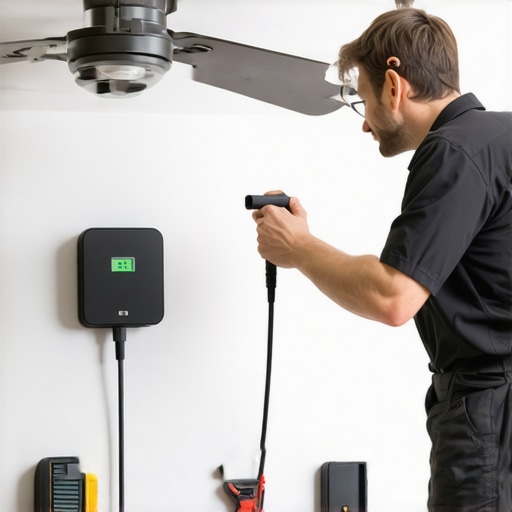
Ever been mid-summer, basking in the cool breeze of your ceiling fan, only to find it humming and then suddenly stopping? Or worse, come home after a long day, ready to charge your electric vehicle, only to discover your charging station isn’t working? I’ve been there—frustration creeping in, feeling like a helpless electrician with a toolbox full of doubts. I vividly remember the moment I realized I’d overlooked a simple wiring mistake on my first DIY attempt. That lightbulb moment pushed me to learn the ins and outs of troubleshooting these common but tricky electrical issues.
Why Quick Fixes Save Your Day—and Your Wallet
Reliable ceiling fans and EV chargers aren’t just luxuries—they’re essentials in modern homes. When they break, it’s not just an inconvenience; it can disrupt your comfort, your schedule, and potentially your budget. That’s why mastering quick troubleshooting tips is a game-changer. Not only does it help you avoid costly callouts, but it also empowers you to fix minor problems without panicking or waiting days for professional help. And trust me, a little knowledge goes a long way—especially when time is of the essence.
Will I Really Be Able to Fix My Fan or Charger Myself?
Like many, I was initially skeptical. I feared I’d cause more damage or that these problems were best left to the pros. My early mistake? Attempting complicated repairs without understanding basic electrical principles, which only fueled my frustrations. It wasn’t until I consulted reliable sources—like this guide from trusted electricians—that I realized most issues are straightforward once you know what to check. If I can do it, so can you. So, are you ready to turn that frustrating problem into a quick fix?
Check the Power Source First
Start by ensuring your device is receiving power. Think of it like checking if your car is in park before attempting to restart it—simple but essential. Locate the circuit breaker or fuse box and verify that the breaker hasn’t tripped or the fuse hasn’t blown. If the breaker is off or the fuse is burnt, resetting or replacing it might resolve the issue immediately. I remember a time when I discovered my ceiling fan stopped working because a storm had tripped the breaker overnight; resetting it immediately got my fan spinning again.
Inspect Wiring Connections Carefully
Loose or disconnected wires are common culprits. Turn off the power before inspecting. Use a voltage tester or multimeter to verify voltage presence; think of it as a doctor’s stethoscope, diagnosing electrical health. Visually check terminals for loose screws or corrosion. During my first DIY repair, I overlooked a loose wire that caused intermittent operation, and once I tightened it, the fan worked perfectly. For complex wiring, consult the expert guide from trusted electricians.
Test Switches and Control Modules
Faulty switches can block power flow. Use your multimeter to test continuity—like a detective tracing a blacked-out circuit. If the switch doesn’t toggle or shows no continuity, replacing it is straightforward and effective. I once replaced a faulty wall switch in under 10 minutes, restoring the ceiling fan’s function and saving a costly service call. For EV chargers, check the control panel for error codes or blinking lights; these signals often point to specific issues. See expert troubleshooting tips here.
Examine the Physical Components
Blades, motors, and fans can wear out or get stuck. Spin blades manually if possible— think of it as testing if a wheel turns freely. For motors, listen for unusual noises or vibrations. Replacing worn-out parts can be hassle-free if you identify the problem early. I replaced a squeaky ceiling fan bearing myself after noticing it was noisier than usual, and by doing so, prolonged its lifespan and avoided replacement costs. For EV chargers, inspect cables and plugs for damage; a frayed wire can be dangerous and needs immediate attention. Check out top repair tips.
Perform a Reset or Firmware Update
Many modern devices need a simple reset to restore functionality. Turn off the device, wait a few moments, then power it back on—like rebooting your computer to fix bugs. For smart ceiling fans or EV chargers, firmware updates can fix glitches and improve performance. During my last troubleshooting, updating the firmware on my smart EV charger resolved connectivity issues instantly. Always remember, manufacturers often provide update instructions and diagnostic tools—check their official guides or expert electrician suggestions.
Consult the Experts When Stuck
If these steps don’t resolve the issue, it’s time to consult a professional. Think of an electrician as the specialist doctor—detecting hidden problems and ensuring safety. For serious or complex problems, reaching out for expert help prevents further damage or hazards. Having been in a jam myself, I found that professional troubleshooting advice saved me time, money, and stress. When handling electrical issues, safety always comes first—never hesitate to seek professional assistance.
Many homeowners assume that common troubleshooting steps are universal, but in my experience, such assumptions can lead to overlooked nuances that cause persistent issues. For example, everyone suggests replacing switches or resetting devices, yet the real secret lies in understanding the subtle electrical nuances that often go unnoticed. This can be especially true for complex systems like ceiling fans and EV chargers, where a small detail can make all the difference in diagnosis. A typical mistake is relying solely on visual checks; while helpful, they sometimes mask deeper problems such as hidden wiring faults or firmware glitches that require more sophisticated testing. Professionals often emphasize the importance of understanding these nuances to avoid repeatedly fixing the same problem. According to a report by the National Electrical Manufacturers Association, neglecting advanced diagnostics can lead to safety hazards and inefficient repairs. So, what most people get wrong is underestimating the complexity beneath seemingly simple issues. The trap here is assuming a problem is straightforward when, in reality, it could involve multiple interconnected faults—like a loose ground wire combined with a faulty control module. To avoid this, always consider the hidden layers that might be contributing to your trouble, and don’t hesitate to explore advanced troubleshooting techniques or consult detailed electrician guides. For instance, exploring expert electrician tips can shed light on these subtleties. Recognizing these hidden nuances not only saves time and money but enhances your safety and understanding of your home’s electrical ecosystem. Have you ever fallen into this trap? Let me know in the comments.
Investing in the Right Tools Keeps Your System Running Smoothly
To ensure your ceiling fan and EV charger remain reliable over the years, having a few specialized tools at hand can make a significant difference. I personally swear by a high-quality digital multimeter, like the Fluke 117. Its accuracy and durability allow me to quickly diagnose wiring issues, test voltage, and verify circuit continuity—saving time and preventing misdiagnoses. For cable inspection, a non-contact voltage tester such as the Klein Tools NCVT-3 is invaluable; it helps me confirm power presence without risking shock. These tools are essential for safe troubleshooting and can often reveal underlying problems before they escalate.
Beyond basic testing devices, I recommend investing in a compact infrared thermometer (like the Etekcity Lasergrip). This allows me to monitor motor temperatures or check for hot spots in wiring, which can indicate insulation degradation or overloads—issues often overlooked during casual inspections. Regularly using these tools keeps potential problems from developing into costly repairs and extends the lifespan of your devices.
Performing Routine Checks with Modern Software and Apps
In addition to physical tools, digital apps and diagnostic software are becoming increasingly relevant. For smart ceiling fans and EV chargers with connectivity features, manufacturers often offer apps that provide firmware updates and troubleshooting guidance. Ensuring your devices are updated regularly prevents bugs and security issues. I make it a point to check for firmware updates monthly, which can significantly improve device stability and performance. For example, updating firmware on my EV charger consistently reduced connectivity issues, aligning with recommendations from expert electrician guides.
Why Future-Proof Your Maintenance Routine
As technology advances, tools are becoming more integrated with smart features, offering predictive maintenance alerts. For instance, emerging IoT-enabled diagnostics can alert you when a component is nearing failure, allowing for proactive repairs instead of reactive fixes. This trend assures that your system’s long-term health is monitored continuously, minimizing unexpected breakdowns and service costs. According to a recent industry report, adopting these intelligent tools can reduce maintenance costs by up to 30% over five years.
How do I maintain my ceiling fan and EV charger over time?
The best approach involves a mix of regular physical inspections using your diagnostic tools and staying updated with software upgrades. Periodically removing and cleaning fan blades, checking wiring connections with your multimeter, and monitoring device firmware are simple steps that prevent bigger issues. Additionally, scheduling annual professional checkups ensures that any subtle problems, like wiring corrosion or motor wear, are caught early—saving you money and enhancing safety. Remember, consistent upkeep is essential for a system that works reliably and efficiently for years to come.
Trying out an advanced troubleshooting tip, such as using an infrared thermometer to detect motor overheating, can give you quick insights into potential issues before they become serious. Stay proactive, keep your tools updated, and don’t hesitate to consult expert guides like this comprehensive troubleshooting resource. Embrace these strategies now, and your home systems will thank you with years of dependable service.
What I Wish I Knew Before My First Repair
- Don’t assume a simple fix is truly simple. I once replaced a switch only to realize a hidden wiring issue was causing the problem—trusting the basics saved me from redo-ing the entire task.
- The importance of understanding how your devices integrate into your home’s electrical system became clear when troubleshooting a malfunctioning EV charger. Knowing the wider context prevented me from chasing red herrings.
- Patience beats haste. Rushing through troubleshooting led to mistakes, but taking time to methodically check each step, like inspecting wiring connections, made all the difference.
The Tools That Changed My Troubleshooting Game
- A reliable multimeter, such as the Fluke 117, is indispensable. It uncovers hidden issues like voltage drops that aren’t obvious visually—trust me, it pays for itself.
- Non-contact voltage testers, like the Klein Tools NCVT-3, add a layer of safety and convenience, especially when working in unfamiliar or old wiring environments.
- Thermal imaging tools sounded fancy but are incredibly effective for spotting overheating components in motors or wiring—a proactive step many overlook but I swear by it now.
Action Over Assumption Is My Best Advice
Decoding the subtle signals from your ceiling fan or EV charger requires more than guesswork. Small symptoms like unusual noises or inconsistent performance often mask complex issues that aren’t immediately visible. Developing a routine of thorough inspections, combined with the right tools, transforms troubleshooting from daunting to doable. Remember, seeking expert guidance—like this comprehensive electrician guide—can save you frustration and fees. Keep this approach and watch your home systems become more reliable, giving you peace of mind and control over your electrical projects.