
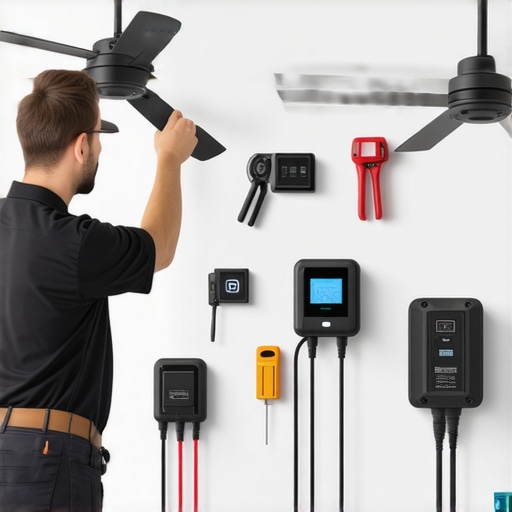
Ever found yourself staring at a ceiling fan that refuses to spin or an EV charger that suddenly stops working, feeling utterly helpless? I’ve been there more times than I can count. There was that one evening when I tried to fix my ceiling fan myself, only to make the problem worse. I spent hours troubleshooting, wasting precious time. It was a lightbulb moment for me—realizing that knowing the right shortcuts and secrets can save you from endless frustration and costly repairs.
Why Quick Fixes Matter More Than Ever
In today’s fast-paced world, waiting around for a technician isn’t just inconvenient—it can disrupt your daily routine, especially when it comes to essential home systems like ceiling fans and EV chargers. These devices aren’t just luxuries; they’re necessities. A malfunctioning ceiling fan can turn a hot summer day unbearable, while a faulty EV charger can delay your plans or even your commute. Fast, reliable repairs aren’t just a bonus—they’re essential. That’s why I’ve dedicated myself to uncovering the best home electrician secrets for quick fixes. And trust me, with a few insider tips, you can troubleshoot and sometimes even fix these issues yourself, saving time and money.
Is DIY Fixing of Ceiling Fans and EV Chargers Actually Worth the Hype?
I used to think that fixing electrical issues was strictly the domain of professionals. My early mistakes, like ignoring safety protocols or rushing into repairs without proper diagnosis, only made things worse. But after some trial and error, I learned that with the right knowledge and tools, many problems can be resolved quickly. I recommend reading this guide for expert tips that can help you decide when to fix yourself and when to call in a pro. Remember, safety first—if you’re unsure, it’s always better to consult a professional.
So, if you’ve ever faced a ceiling fan that stutters or an EV charger that refuses to connect, you’re not alone. And more importantly, you’re in the right place to learn how to fix these problems quickly and safely. Ready to become your home’s electrical hero? Let’s dive into the secrets that make fixing these issues faster and less stressful than ever before.
Get Your Hands Dirty with Proper Diagnosis
Before diving into any repair, identify the problem accurately. For example, when my ceiling fan started wobbling, I checked the blades first, then moved to the motor. This systematic approach prevents unnecessary part replacements. Use a multimeter to test power supply and continuity, ensuring your problem isn’t a simple power outage or loose connection. A quick test like this saved me hours of guesswork and pinpointed the exact issue.
Use a Multimeter Like a Detective
Think of a multimeter as your home’s electrical detective. When my EV charger refused to charge, I used it to verify the outlet voltage and checked the wiring connections. If voltage isn’t reaching the charger, it’s a wiring or breaker issue, not the charger itself. Proper testing can reveal whether the problem is in the device or the circuit. For detailed guidance, check this expert troubleshooting guide.
Reset and Power Cycle Smartly
Sometimes, the fix is as simple as turning the device off and on again. I had a ceiling fan that kept stuttering. Turning off the fan, waiting a minute, then flipping the switch back on reset the motor controller. For EV chargers, unplugging and replugging resets internal modules. Think of this as giving the device a quick nap to clear minor glitches.
Check and Reset Circuit Breakers
Often, circuits trip without your notice. When my EV charger stopped working unexpectedly, I checked the breaker panel. Resetting a tripped breaker restored power. It’s a quick step that can save you a call to the electrician. Always ensure the breaker is fully snapped back into position after resetting.
Inspect and Tighten Connections
Loose wiring is a common culprit. I once found a loose wire in my ceiling fan’s mounting bracket—tightening it fixed the wobble instantly. Use a screwdriver to secure all terminal screws, and check for corrosion or damage. For EV chargers, inspect the charging cable connections for signs of wear and ensure all connectors are snug. Properly tightening connections prevents future issues and enhances safety.
Replace Damaged Components
If you find burnt or frayed wires, replace them immediately. I learned this the hard way when a worn-out wire caused a short circuit. Always cut power before replacing wires or components. Use the right tools and parts, and don’t hesitate to refer to expert advice for specific component replacements.
Test and Confirm the Fix
After repairs, restore power and observe. Turn on the ceiling fan and see if it runs smoothly. For EV chargers, connect your vehicle or a testing device. If the problem persists, revisit your diagnosis. Remember, sometimes multiple issues coexist, and a thorough check is essential. Use a checklist to verify each component, ensuring your fix is complete.
Document Your Repair Process
Keep notes on what you checked and replaced. This habit helps identify recurring issues and provides a reference for future fixes. I once fixed my fan’s capacitor and noted the replacement date, which helped when the problem reoccurred months later. Proper documentation saves time and prevents unnecessary troubleshooting.
Many DIY enthusiasts and homeowners fall into traps because of widespread misconceptions about troubleshooting ceiling fans and EV chargers. Let’s dig deeper to unravel these myths and reveal the nuances that can make or break your repair efforts. Have you ever fallen into this trap? Let me know in the comments.
Why The Truth About Resetting Devices Is Often Overlooked
Most people believe that simply turning a device off and on again is enough to fix complex issues. While this quick reset can resolve minor glitches, it’s a common misconception that it addresses deeper problems. For example, a faulty capacitor or damaged wiring won’t be cured by a power cycle. Relying solely on resets can delay proper diagnosis and lead to repeated failures. For more insights on effective troubleshooting, check this expert guide.
Myth: All Circuit Breakers Are Self-Resetting
Many assume that tripped circuit breakers will reset themselves once the fault clears. In reality, a breaker won’t reset until you manually switch it back on. Ignoring a tripped breaker can cause ongoing safety hazards or electrical issues. Always verify the breaker position and reset it properly—this is a crucial step often misunderstood. Properly inspecting and resetting circuit breakers prevents future breakdowns and ensures safety.
Advanced Troubleshooting Requires Nuanced Diagnosis
One of the biggest pitfalls is oversimplifying the diagnosis process. For example, when an EV charger malfunctions, it’s tempting to assume the problem is with the device itself. However, the real culprit may be a loose connection, a tripped breaker, or a wiring issue. Using a multimeter to verify voltage and continuity can reveal hidden problems that superficial checks might miss. This nuanced approach saves time and money, especially for complex systems. For detailed diagnosis steps, refer to this professional advice.
Understanding the Limits of DIY Fixes
Many homeowners believe they can fix everything without professional help. While small issues like tightening loose wires or resetting breakers are manageable, more serious problems like burnt wires, damaged motors, or faulty capacitors should be handled by experts. Attempting repairs beyond your skill level can lead to safety hazards or further damage. Recognize the nuance that some problems require professional tools and knowledge. For comprehensive help, see this reliable guide.
Keeping your ceiling fans and EV chargers in top shape over time requires more than just quick fixes. Investing in the right tools and adopting effective maintenance routines can dramatically extend their lifespan and ensure consistent performance. In this article, I’ll share the specific equipment I personally rely on, how I use these tools for long-term upkeep, and where I see this trend heading in the future.
Equip Yourself with Precision Instruments for Peace of Mind
First and foremost, a high-quality digital multimeter is indispensable. I prefer the Fluke 115 True RMS Multimeter because of its reliability and accuracy. It allows me to regularly check voltage levels, continuity, and even test components like capacitors without guesswork. This proactive approach helps catch potential issues early, preventing costly repairs later. Additionally, I always keep a remote troubleshooting guide handy to cross-reference when I encounter unusual readings.
Use Specialized Cleaning and Inspection Tools
Dust and corrosion can silently degrade electrical connections. I use a small, anti-static brush to gently clean contacts and a contact cleaner spray to remove oxidation from terminals. Regular cleaning ensures connections stay tight and reduces the risk of shorts or flickering. For inspecting internal wiring and components, a compact LED flashlight with adjustable brightness helps me spot hidden corrosion or damage that might not be visible otherwise.
Adopt a Routine Maintenance Schedule
Consistency is key. I recommend inspecting your ceiling fans and EV chargers at least twice a year. During these checkups, I verify tightness of terminal screws, test for signs of wear, and ensure circuit breakers are functioning correctly. A home electrician’s advice emphasizes that small, regular interventions can prevent major failures and keep devices running smoothly.
Leverage Software and Monitoring Systems
In the near future, I predict a growing trend toward smart monitoring solutions. Devices like the Sense Energy Monitor or integrated smart home systems can alert you to anomalies in real-time, such as voltage drops or unusual power consumption. These tools enable you to address issues before they escalate, saving money and downtime. Incorporating such technology into your maintenance routine makes long-term care more manageable and less reactive.
How do I maintain ceiling fans and EV chargers over time?
Beyond tools, a proactive mindset is essential. Regularly cleaning, inspecting, and testing your devices ensures optimal performance. Keep a maintenance log to track inspections and repairs, which helps identify recurring issues early. Additionally, staying informed about the latest troubleshooting techniques through expert resources like this comprehensive guide keeps you ahead. Remember, the future of maintenance is leaning toward smarter, integrated systems—embrace these innovations now to simplify your upkeep.
Try implementing a scheduled checkup using a multimeter combined with a cleaning routine and see how much longer your devices last. Consistency and the right tools are your best allies for long-term success. For more detailed advice tailored to your specific devices, explore expert electrician tips.
Lessons That Changed My Troubleshooting Game
- One of the toughest lessons I learned was that not every problem is electrical in nature. Sometimes, a simple physical issue like a loose blade or connector is the culprit. Paying close attention to physical connections often saves a lot of diagnostic time.
- Another lightbulb moment was realizing that safety cannot be compromised. Wearing insulated gloves and turning off power before inspecting wiring isn’t just precautionary—it’s essential. This mindset saved me from serious shocks and injuries.
- Finally, I discovered that patience and methodical testing outperform rushing into repairs. Using a multimeter to verify each step prevents unnecessary component replacements and helps understand the root cause deeply.
Tools and Resources That Make a Difference
- Fluke 115 True RMS Multimeter: Trustworthy and precise, it’s my go-to for testing voltage, continuity, and components. Investing in quality testing tools pays off in safety and efficiency.
- Contact Cleaner Spray: Regularly cleaning terminals prevents corrosion and ensures reliable connections—an underrated maintenance step that extends device life.
- Expert Guides and Blogs: Resources like this troubleshooting guide empower me to understand nuanced issues and avoid common pitfalls.
- Smart Monitoring Devices: In the long run, investing in systems like the Sense Energy Monitor helps catch issues early, saving time and repair costs. These tools are becoming indispensable for proactive maintenance.
Your Next Step Towards Confidence
Fixing ceiling fans and EV chargers quickly and safely is within your reach—these insider secrets transform troubleshooting from guesswork into a manageable task. Embrace the right tools, stay patient, and keep learning. Every successful repair boosts your confidence and saves you money and stress. Ready to become your home’s electrical hero? Dive deeper into expert advice and continue upgrading your skills—your devices will thank you. Have you ever faced a tricky electrical issue that turned out to be simpler than expected? Share your story below and let’s learn together!