
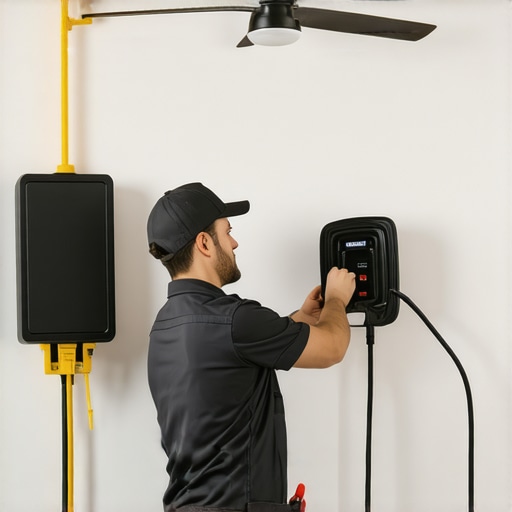
Have you ever been in the middle of a cozy evening, only to realize your EV charger or ceiling fan suddenly stops working? That sinking feeling of helplessness hits hard. I remember one particularly frustrating night when my new EV charger refused to power up just as I was about to leave. It was then I realized how unprepared I was for quick troubleshooting. That moment sparked my journey into becoming proficient at fixing these common household issues myself.
Today, I want to share how you can avoid that panic and gain confidence to troubleshoot your EV chargers and ceiling fans efficiently. No more waiting days for an electrician or wasting money on unnecessary repairs. With a few expert tips, you’ll be able to diagnose and fix most problems fast, saving you time, money, and frustration. Trust me, once you learn these skills, you’ll wonder why you didn’t start sooner.
Why Fixing Your EV Charger and Ceiling Fan Quickly Matters
In our busy lives, every minute counts. A malfunctioning EV charger can mean missed appointments or extended charging times, impacting your daily routine. Similarly, a ceiling fan that stops working during a heatwave can turn your cozy home into an oven. The good news? Many of these issues are simple to resolve once you understand the basics. Knowing how to troubleshoot not only saves you money but also hands you control over your home’s electrical health. Plus, it’s satisfying to fix things yourself rather than waiting around for help.
Early on, I made a classic mistake — I ignored the simple resets and checked the circuit breakers first. That cost me precious time. It’s a common slip, but one that can easily be avoided with the right knowledge. For a comprehensive approach, check out this trusted troubleshooting guide. It’s packed with practical tips from seasoned electricians who know the ins and outs of quick fixes.
Now, let’s get you set up to handle these issues confidently. In the upcoming sections, I’ll walk you through step-by-step troubleshooting techniques, common pitfalls, and how to avoid them. Whether your EV charger refuses to connect or your ceiling fan hums but won’t turn, I’ve got you covered. Ready to become the household hero? Let’s dive into the practical solutions that will turn you from a helpless homeowner into a troubleshooting pro!
Start with a Reset to Clear the Glitches
When my EV charger refused to power up, the first step I took was to perform a simple reset. Just like rebooting a computer, turning the device off and on can clear minor glitches. Locate your EV charger or ceiling fan switch, turn it off, wait 30 seconds, then switch it back on. This often resolves the issue and restores normal operation. If it doesn’t, move on to check the circuit breaker, as a tripped breaker is a common culprit.
Inspect Your Circuit Breaker
Think of your circuit breaker as the gatekeeper of your electrical system. If it’s tripped, power won’t reach your device. Find your main panel and look for switches that are in the off position or not aligned with the others. Reset any tripped breakers by flipping them fully off, then back on. I once spent an hour troubleshooting a ceiling fan that wasn’t turning on, only to realize a breaker had tripped after a storm. Restoring power at this stage often solves many problems.
Examine Your Wiring Connections
Loose or disconnected wires are like a broken chain—they break the flow of electricity. Turn off power at the breaker before inspecting. Remove the cover of your EV charger or ceiling fan fixture and check the wiring connections, ensuring they are tight and secure. Use a screwdriver to tighten any loose screws. I recently fixed a ceiling fan that hummed but wouldn’t spin, and it turned out a loose wire was the cause. Proper wiring is crucial for safe and reliable operation.
Test the Power Supply with a Multimeter
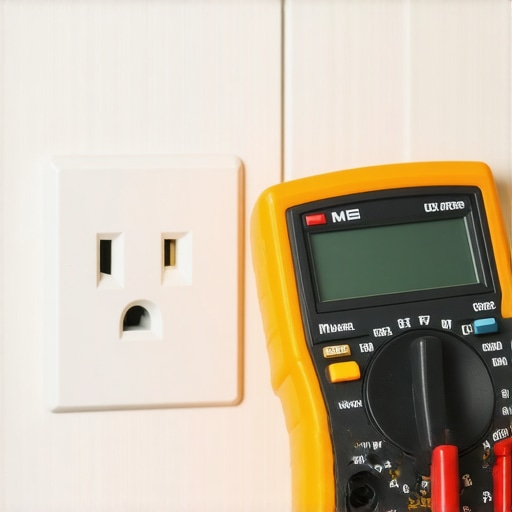
Sometimes, the problem isn’t visible. Use a multimeter to check if your outlet or power source is delivering voltage. Set the multimeter to AC voltage, and carefully test the outlet. If there’s no voltage, the issue is upstream—perhaps a faulty outlet or wiring problem. For my EV charger, I found that the outlet wasn’t providing power, which was fixed by replacing a damaged socket. This step confirms whether your device is getting power or if further electrical work is needed.
Check the Device’s Internal Components
If power is reaching your device but it still isn’t working, the internal components may be faulty. For ceiling fans, this could mean a burnt-out capacitor or a faulty switch. For EV chargers, internal circuit boards or fuses might be damaged. If you’re comfortable, consult the user manual or a guide like this troubleshooting resource. I once replaced a capacitor on a ceiling fan, which restored its smooth operation and saved a costly service call.
Replace Faulty Parts and Test Again
Once you identify a damaged component, replace it with a new one. Keep spare fuses, switches, or capacitors handy for quick fixes. After replacement, restore power and test your device. This approach saved me from waiting days for an electrician when my EV charger’s fuse blew unexpectedly. Quick part replacement can often resolve issues efficiently and cost-effectively.
Document and Prevent Future Problems
Keep a log of what was checked and replaced. Regular inspections of wiring and circuit breakers can prevent future failures. For example, I schedule seasonal checks for my ceiling fans and chargers to ensure everything is in top shape. Proper maintenance reduces downtime and extends the lifespan of your devices. For comprehensive tips, check out this expert guide.
Many homeowners operate under misconceptions that can hinder effective troubleshooting of their EV chargers and ceiling fans. Let’s dig deeper into some of the most prevalent myths and reveal the hidden nuances that can make or break your repair success. First, a widespread misunderstanding is that all electrical issues are complex and require professional help. In reality, many problems stem from simple causes like tripped breakers, loose wiring, or faulty switches—problems you can often resolve with basic skills and the right guidance. For instance, this troubleshooting guide emphasizes that starting with resets and circuit checks can save you time and money.
Another common misconception is that internal components like capacitors or circuit boards are always the culprits when devices stop working. While they can be, most issues are caused by external factors such as wiring problems or power supply interruptions. Using a multimeter to verify outlet voltage, for example, can quickly identify if the problem is upstream or within the device itself. This step is crucial; skipping it might lead you to replace parts unnecessarily, which is both costly and ineffective.
Now, for the advanced homeowner, a tricky trap is assuming that resetting a device once will fix ongoing issues. Persistent problems often indicate underlying electrical faults that need a thorough diagnosis. For example, if your ceiling fan continues to hum or your EV charger repeatedly trips, it could be a sign of wiring overload or compatibility issues. In these cases, consulting detailed resources like this expert guide can help you avoid costly mistakes.
What advanced troubleshooting techniques should I consider beyond basic checks?
For experienced DIYers, inspecting internal wiring connections for corrosion or damage, testing switches and capacitors with a multimeter, and verifying correct voltage levels are essential steps. Additionally, understanding the specific electrical load and ensuring it aligns with your device’s ratings can prevent future issues. Remember, safety is paramount; always turn off power at the breaker before inspecting or replacing internal components. For complex cases, consulting with professional electricians is advisable, especially if your troubleshooting reveals signs of wiring damage or overloads.
By recognizing these nuances and avoiding common pitfalls, you can troubleshoot your EV charger and ceiling fan more effectively. Remember, the goal isn’t just to fix the problem temporarily but to identify and address the root cause, ensuring long-term reliability. Have you ever fallen into this trap? Let me know in the comments!
Keeping your EV charger and ceiling fan functioning smoothly over time requires more than just initial installation. Regular maintenance and the right tools can dramatically extend their lifespan and ensure consistent performance. In this guide, I’ll share the essential tools I personally rely on, along with proven maintenance strategies to keep your household tech in top shape.
Invest in Quality Multimeters for Accurate Diagnostics
A reliable multimeter is the cornerstone of effective troubleshooting. I prefer using a digital multimeter with auto-ranging capabilities because it simplifies testing voltage, current, and resistance without fuss. Personally, I use the Fluke 117, which offers precision and durability—crucial when diagnosing complex issues like internal circuit faults or verifying wiring integrity. Having this tool on hand allows me to quickly identify whether power issues stem from the outlet, wiring, or device components, saving time and preventing unnecessary replacements.
Keep a Set of Insulated Screwdrivers for Safe Repairs
Electrical work demands safety and precision. I always keep a set of insulated screwdrivers, with various sizes, for opening devices and securing connections. These tools are essential for tightening loose wires or replacing faulty parts without risking electric shock. Proper insulation and quality construction, like those from Klein Tools, provide peace of mind during repairs and help avoid accidental damage to delicate components.
Use a Thermal Camera to Detect Hidden Problems
While not a standard tool for everyone, a thermal imaging camera can be a game-changer. I recommend the FLIR ONE, which connects to a smartphone. It helps detect hotspots in wiring or internal components that may indicate overheating or impending failure. For example, I once identified a failing capacitor in a ceiling fan that was visibly cool but showed a heat signature on the camera, allowing me to replace it before complete failure. This proactive approach minimizes downtime and costly repairs.
Regularly Check and Clean Your Devices
Maintenance isn’t just about tools; it’s about routine inspections. I suggest scheduling quarterly checks—clean dust from vents, tighten loose connections, and verify wiring integrity. Use a soft brush or compressed air to remove debris, especially around circuit boards and fans. Keeping devices free of dust prevents overheating and ensures efficient operation. A little preventive care can go a long way in avoiding unexpected breakdowns.
Monitor Your System’s Performance with Smart Solutions
Looking ahead, smart home monitoring systems are becoming increasingly valuable. I’ve integrated energy management tools that track power consumption and alert me to irregularities. For instance, a drop in charging efficiency or unusual fan noise can trigger an inspection before major problems develop. As IoT devices evolve, I predict that remote diagnostics and predictive maintenance will become standard, making troubleshooting easier and more proactive.
How do I maintain my devices over time?
Consistency is key. Regularly inspecting connections, cleaning components, updating firmware when applicable, and keeping spare parts handy ensures your devices stay reliable. Also, keep a troubleshooting log—note recurring issues and resolutions. This record helps identify patterns and prevents minor problems from escalating. Remember, investing in quality tools and proactive maintenance not only saves money but also provides peace of mind knowing your household essentials are always ready to perform.
For more expert tips on troubleshooting and maintaining your EV charger and ceiling fan, visit this detailed guide. Take the time to try out a thermal camera or upgrade your multimeter—these investments can make troubleshooting faster and more accurate, ultimately keeping your home running smoothly for years to come.
< >
>
Insider Wisdom
- Three mistakes I wish I avoided early on: I learned that jumping straight into replacing parts without proper diagnosis can be costly. Taking the time to test outlets and circuit breakers first saved me from unnecessary expenses.
- Why I no longer fear electrical issues: Understanding basic wiring and safety protocols transformed my approach from anxious to confident. It’s empowering to handle simple repairs without waiting for a professional.
- The lesson about patience and systematic troubleshooting: Rushing can lead to overlooking simple fixes like resets or loose connections. A methodical process always yields better results and saves time.
- My biggest lightbulb moment: Realizing that most device failures are external—like tripped breakers or loose wires—rather than internal faults. This insight made troubleshooting much more straightforward.
My Essential Toolkit for Troubleshooting EV Chargers and Ceiling Fans
- Reliable Multimeter: For accurate voltage and resistance testing, I trust the Fluke 117. It’s durable and easy to use, helping me quickly identify power issues.
- Insulated Screwdrivers: Safety comes first. A set from Klein Tools ensures I can open and secure connections without risking shocks.
- Thermal Camera: The FLIR ONE is invaluable for spotting overheating components before they fail completely, saving me from costly repairs.
- Cleaning Supplies: Compressed air and soft brushes keep my devices dust-free, preventing overheating and ensuring efficiency.
Take Action and Keep Your Home Running Smoothly
Don’t wait for problems to escalate. Use these insights to troubleshoot your EV chargers and ceiling fans confidently. Regular maintenance and a proactive mindset can extend the lifespan of your devices and save you money. Remember, the power to fix your household essentials is in your hands—start today, and enjoy the satisfaction of DIY mastery. Have you ever struggled with diagnosing an electrical issue? Share your experience below and let’s learn together!