
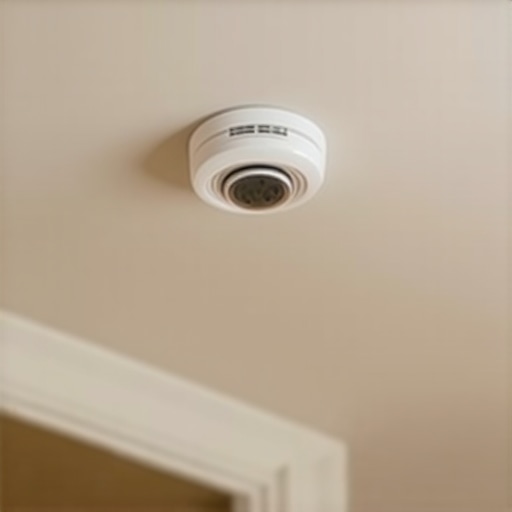
The Ghost of Electrical Past Meets the 2026 Mandate
I’ve spent thirty-five years smelling things most people ignore. I can tell you the difference between the sharp, ozone-heavy scent of a failing 100-amp bus bar and the slow, acrid bake of rubber-insulated wiring from 1942. When I walk into an old Victorian or a post-war ranch, I’m not looking at the granite countertops; I’m looking for the ‘widow maker’—that one circuit where some weekend warrior decided a penny was a good substitute for a fuse. My old journeyman used to smack my hand with a pair of dikes if I even thought about stripping wire with a pocket knife. ‘You nick that copper, you create a hot spot,’ he’d bark. ‘That nick is a bottleneck for electrons, and heat is the only way out.’ He was right. That microscopic scratch is where the house fire starts twenty years later when the homeowner plugs in a space heater. Today, as we stare down the barrel of the 2026 inspection codes, those old lessons are more relevant than ever. These aren’t just suggestions; they are the difference between a ‘Passed’ sticker and an unsellable asset.
“Smoke alarms shall be replaced when they fail to respond to operability tests, but shall not remain in service longer than 10 years from the date of manufacture.” – NFPA 72, National Fire Alarm and Signaling Code
The 2026 rules represent a paradigm shift in how we handle life safety. We are moving away from the simple ‘beep in a box’ to integrated life-safety networks. If you’re dealing with an older home—the kind with crumbling insulation and brittle Romex—you’re in for a wake-up call. The ‘Time Bomb’ is ticking, and the inspector’s tick tracer is going to find every shortcut you’ve taken. Let’s break down the forensic reality of these five new rules.
1. The Multi-Criteria Sensing Mandate
By 2026, the standard ionization-only smoke detector is a relic. These units were notorious for nuisance alarms every time you burned toast, leading homeowners to rip them off the ceiling and leave them in a drawer. The new code demands multi-criteria sensing. This means the device must distinguish between ‘cooking nuisance’ and ‘fast-flaming fire’ or ‘slow-smoldering synthetic foam.’ In forensic terms, we look at the physics of the sensing chamber. In older homes, dust and particulate matter from degrading lath and plaster often migrate into these chambers, causing false triggers. The 2026 rules require devices that utilize specialized algorithms to filter out environmental contaminants. If you’re planning smart home wiring upgrades, these sensors must be your first priority. They aren’t just sensors; they are data nodes that communicate the specific signature of the combustion particles.
2. Mandatory Low-Frequency Sounders in Sleeping Areas
The high-pitched 3kHz beep we grew up with is being phased out for sleeping areas. Forensic studies on fire fatalities have shown that children and people with hearing loss often sleep right through high-frequency alarms. The 2026 rule requires a 520Hz low-frequency square wave. Producing this sound requires more power and a larger speaker, which often means you can’t just slap a 9-volt battery unit on the wall and call it a day. You need a hardwired home run back to the panel. For those living in homes from the 1920s, this usually triggers a requirement for storm damage electrical repair or a general system overhaul because the moment you touch those walls to run new wire, you’re opening a Pandora’s box of brittle insulation and ungrounded circuits. You can’t just tap into an old pendant light hanging circuit; you need dedicated power.
3. Wireless Interconnect for Pre-1970 Retrofits
If you have an old house, the 2026 code finally addresses the ‘impossible’ task of interconnecting alarms. Previously, if you couldn’t fish wires through a three-story balloon-framed house, you were stuck with standalone units. No more. The new mandate requires that if one alarm sounds, they all sound. For older structures, this means encrypted wireless mesh networking. This is where smart home wiring becomes essential. These units must be ‘supervised,’ meaning if one goes offline, the others chirp to warn you. I’ve seen too many ‘handyman specials’ where people think a battery unit is enough. It’s not. The inspector will use a tick tracer to verify power and then trigger a test to ensure the tree mounted lights outside aren’t the only thing with power while your life safety system is dead. They want to see a unified web of protection.
4. Heat Mapping and Drone Thermography Scans
This is where the tech gets visceral. For high-value home inspections in 2026, inspectors are increasingly using drone thermography scans to verify the integrity of the entire electrical envelope before signing off on smoke detector placement. Why? Because a smoke detector placed near a thermal bridge—a cold spot in your attic—won’t work correctly. The ‘Dead Air’ phenomenon occurs when cold air traps smoke away from the ceiling-mounted sensor. In mid-century homes with poor insulation, this is a death sentence. The drone scan identifies where heat is escaping and where air is stagnating. If your meter base replacement wasn’t done with proper sealing, or if your patio cover outlets are leaking air into the wall cavities, the smoke may never reach the detector. The 2026 rules require detectors to be placed based on actual airflow patterns, not just ‘one in every bedroom.’
“Aluminum wire connections can overheat and cause a fire without tripping the circuit breaker.” – CPSC Safety Alert 516
5. Integration with Emergency Shut-offs
The fifth rule is the most complex: Functional Integration. In the event of a fire, the smoke detector system must now be capable of shutting down the HVAC blower to prevent smoke from being pumped throughout the house. This requires a relay at the furnace or heat pump. If you’re looking into rebate assistance programs, many of them are now tied to this specific safety upgrade. Furthermore, if your home has a high power factor correction system or solar storage, the 2026 code requires these systems to move into a ‘Safe Mode’ during an alarm event. This prevents storm damage electrical repair scenarios where a fire-damaged solar array continues to energize the home’s internal wiring while firefighters are trying to douse the flames. It’s a complete ecosystem of safety.
The Cost of Cutting Corners
I’ve seen what happens when people try to bypass these rules. They use ‘monkey shit’ (duct seal) to hide gaps in a meter base replacement or they use cheap track lighting services that aren’t rated for the load. Electricity doesn’t forgive. If your home still has a Zinsco or Federal Pacific panel, you are already living in a fire hazard. These panels are known to have breakers that jam and refuse to trip even when the wire is melting into a puddle of copper. When you combine an old, failing panel with the 2026 smoke detector requirements, the only real solution is a heavy-up. You need to pull a new home run for your life safety system, replace that rotted meter can, and ensure your smart home wiring isn’t just a gimmick but a lifeline. Don’t let a flipper tell you that ‘pigtailing’ the wires is enough. In the forensic world, we call that a temporary fix for a permanent disaster. Get it torqued, get it inspected, and use rebate assistance programs to do it right. Your life is worth more than the cost of a few rolls of Romex and a master electrician’s time. [IMAGE PLACEHOLDER]