
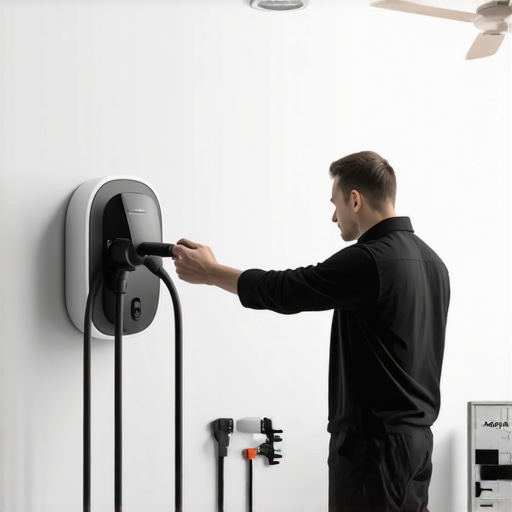
Ever been in the middle of a Netflix binge or trying to get your electric vehicle charged, only to be met with a frustrating glitch? I’ve been there. One evening, my EV charger suddenly stopped working, and I was clueless about what to do. It was a lightbulb moment for me—realizing how crucial it is to have reliable troubleshooting skills for these everyday home essentials. If you’re tired of guessing why your ceiling fan wobbles or your EV charger refuses to cooperate, stick around. Today, I’ll share expert tips that will help you diagnose and fix common issues quickly, saving you time and money.
Why Troubleshooting Matters More Than Ever in 2024
With the rise of electric vehicles and smart home devices, our reliance on electrical systems has skyrocketed. According to a recent study, the number of EV charging stations has increased by over 50% in just the past year, making troubleshooting skills a must for homeowners. A small electrical hiccup can turn into a major inconvenience, especially when it affects your daily routines. I learned this the hard way early in my DIY journey—mistakes like ignoring loose wiring or assuming a problem is beyond repair only led to bigger headaches. That’s why mastering expert troubleshooting tips is essential to keep your home running smoothly. Want to avoid the common pitfalls? Check out this comprehensive guide on electrician troubleshooting tips for EV chargers and ceiling fans in 2024.
Is It Really Worth the Effort to Troubleshoot Yourself?
Initially, I made the mistake of diving into repairs without proper knowledge, which only worsened the problem. Now, I know that a little bit of expert guidance can save you from costly mistakes. Think of troubleshooting as your first line of defense—identifying whether a problem is a quick fix or needs professional attention. If you’re skeptical, I get it. But with the right tips, you’ll be surprised how often you can resolve issues on your own. Curious about how to get started? Stay tuned, because I’ll walk you through the essential troubleshooting strategies that have saved me—and many others—time and frustration.
Remember, whether it’s a flickering ceiling fan or an uncharged EV, knowing how to troubleshoot effectively can make all the difference. Ready to become your own home electrician hero? Let’s dive into the practical steps that will transform you from clueless to confident.
},
Test the Power Supply First
The very first step I took when my EV charger stopped working was to check the outlet and circuit breaker. Think of it like a water pipe—if no water flows, you start at the source. I flipped the breaker off and on again, and noticed the charger still didn’t respond. This simple step can save hours by ruling out a blown fuse or tripped breaker. Use a multimeter to verify if the outlet provides voltage; if not, the problem might be upstream. For detailed tips, check out electrician troubleshooting tips for EV chargers and ceiling fans in 2024.
Inspect Wiring and Connections Carefully
Next, I examined the wiring connections at the charger and the circuit panel. Loose or disconnected wires are a common culprit. Imagine a string of holiday lights—if one bulb is loose, the whole string goes dark. I gently tightened all terminals, making sure there were no signs of corrosion or burn marks. Be cautious and use insulated tools. This step often reveals simple fixes that don’t require replacing parts. If you’re unsure, consult expert electrician tips for troubleshooting EV chargers and ceiling fans.
Check for Faulty Components or Damage
Sometimes, components like circuit boards or contactors fail. I removed the cover of my charger to look for obvious signs of damage—burn marks, bulging capacitors, or broken parts. It’s like inspecting a car engine for leaks or broken belts. If you spot damage, replacing the part may be the solution. For guidance, see expert tips for troubleshooting EV chargers and ceiling fans.
Test the Device in Isolation
To isolate the issue, I tried plugging the charger into a different outlet known to work. Similarly, I tested a different device on the same circuit to see if it powered on. This method helps determine if the problem is with the charger, the outlet, or the circuit. Think of it like testing a light bulb in different lamps—if it doesn’t light up anywhere, the bulb is dead. This step can clarify whether you need a replacement or just a simple fix. For more detailed steps, visit troubleshooting electrician tips for EV chargers and ceiling fans.
Evaluate and Replace if Necessary
If all previous steps check out but the charger still refuses to work, it’s likely time for a replacement. I bought a new charger after confirming the fault wasn’t due to wiring or power sources. When replacing, ensure compatibility with your vehicle and home system. It’s like replacing a broken watch band—sometimes, a new one is the most efficient fix. For professional advice, see expert home electrician solutions for troubleshooting EV chargers and fans.
Similarly, for ceiling fans, the troubleshooting process involves inspecting blades, switches, and motor parts. Loose mounting hardware or worn bearings can cause wobbling or noise. Tighten mounting screws, lubricate moving parts, or replace damaged components following basic safety guidelines. For expert insights, visit top electrician tips for troubleshooting ceiling fans and EV chargers in 2024.
Many homeowners believe that troubleshooting electrical issues is a straightforward task that anyone can handle after watching a few YouTube videos. However, this common myth can lead to costly mistakes and safety hazards. While basic troubleshooting steps like checking the power supply or inspecting wiring are essential, understanding the nuances of electrical systems is crucial for effective and safe repairs. For example, assuming that a simple reset will fix a faulty EV charger often overlooks deeper issues like circuit board damage or wiring faults that require professional intervention. To truly master troubleshooting, it’s vital to recognize the limits of DIY fixes and when to call in a qualified electrician. This approach not only saves money but also prevents accidents caused by improper handling. For more advanced insights, explore expert tips at electrician troubleshooting tips for EV chargers and ceiling fans.
Maintaining your home’s electrical systems, especially when dealing with EV chargers and ceiling fans, requires not only knowledge but also the right tools. Over the years, I’ve tested various equipment and software that have significantly improved my troubleshooting efficiency and long-term reliability. In this section, I’ll share exactly what I use personally, why I recommend these tools, and how they can help you keep everything working seamlessly. Plus, I’ll look ahead to where technology is heading in this field.
How do I maintain electrical systems over time
Regular maintenance is key. I schedule periodic inspections, especially before peak usage seasons, to catch issues early. This includes checking wiring connections, testing circuit breakers, and verifying that smart devices like EV chargers are calibrated correctly. Having the right tools simplifies this process immensely. For example, a high-quality multimeter is non-negotiable. I prefer the Fluke 117 because of its precision, durability, and ease of use. It allows me to quickly measure voltage, current, and resistance, helping me identify issues without guesswork. Additionally, a reliable circuit tester like the Klein Tools ET600 helps me verify outlets and wiring without risking safety.
For more advanced diagnostics, I use a digital insulation tester, such as the Fluke 1507, to check insulation resistance, which is crucial for preventing shorts and fires. Investing in these tools has paid off by reducing downtime and preventing costly repairs.
Smart monitoring and software for long-term peace of mind
In the future, I see smart monitoring systems becoming a standard part of home electrical maintenance. Devices like the Sense Energy Monitor or Neurio can track power consumption, identify anomalies, and alert you before a small issue turns into a major problem. These systems integrate with your smartphone, allowing remote diagnostics and proactive maintenance. I highly recommend setting up such systems if you want to stay ahead of potential failures and optimize energy usage.
Moreover, software solutions like troubleshooting apps from trusted electricians or manufacturer-specific diagnostic tools can guide you through complex issues. These apps often come with step-by-step instructions, video tutorials, and troubleshooting logs, making DIY repairs safer and more effective.
Take action now: Try this advanced tip
One tip I encourage everyone to try is using a thermal camera, like the FLIR TG165. By scanning your electrical panels, outlets, and connectors regularly, you can detect hotspots caused by loose wiring or overloaded circuits before they cause damage or fire. Thermal imaging is a game-changer for preventive maintenance and has saved me from potential disasters. With affordable options now available, I suggest giving it a try and incorporating it into your routine checks.
As technology advances, staying updated with the latest tools will help you keep your electrical systems safe and efficient. Don’t wait for a failure to act—invest in quality diagnostic equipment and smart monitoring systems today. For detailed guidance on troubleshooting and maintaining EV chargers and ceiling fans, check out expert electrician troubleshooting tips for 2024.
Overcoming electrical hiccups around your home might seem daunting, but with the right insights, you can become surprisingly confident in fixing common issues like EV chargers and ceiling fans. From my own experience, I’ve learned that the most valuable lessons often come from unexpected challenges and a willingness to learn. Here are some deep-dive lessons I wish I’d known earlier and that can save you time and money.
The Hardest Lesson I Learned About Troubleshooting Electrical Systems
One of the biggest mistakes I made was assuming that every problem was a quick fix—like resetting a breaker or plugging in a new device. It wasn’t until I faced a stubborn EV charger that refused to work despite all basic checks that I realized deeper issues like wiring faults or damaged components often hide behind the scenes. This taught me to trust the process of systematic diagnosis instead of jumping straight to replacement.
Three Myths About DIY Electrical Repairs That Held Me Back
First, that all troubleshooting is safe for amateurs—this isn’t true. Second, that every problem needs a professional immediately—many small issues can be resolved with proper guidance. Lastly, that tools alone can fix everything—without understanding how they work, you risk misdiagnosis or injury. Learning to differentiate between simple fixes and complex problems is key to becoming a savvy DIYer.
What Experts Won’t Tell You About Maintaining Your Home’s Electrical Systems
Many electricians recommend regular, proactive inspections, especially for smart devices like EV chargers. But what they often don’t emphasize is the importance of investing in quality diagnostic tools—like a Fluke multimeter or thermal camera—that can prevent disasters before they happen. These tools have transformed how I monitor and maintain my home’s electrical health, saving me from costly repairs later on.
Curated Resources to Elevate Your Troubleshooting Game
- Fluke 117 Multimeter: Trustworthy, durable, and easy to use, it’s my go-to tool for measuring voltage, resistance, and continuity. It helps me verify wiring and detect faults swiftly.
- FLIR TG165 Thermal Camera: Spot hotspots and overloads early by scanning panels, outlets, and connections. It’s invaluable for preventive maintenance and safety checks.
- ProElectricalCo Troubleshooting Guides: Their comprehensive articles like electrician troubleshooting tips for EV chargers and ceiling fans in 2024 provide step-by-step strategies that empower DIY repairs.
- Smart Home Monitoring Systems: Devices like Sense Energy Monitor help track power consumption patterns, alerting you to issues before they become emergencies. Investing in these systems offers peace of mind over the long term.
Take Action Now and Keep Your Home Safe
Electrical troubleshooting is an ongoing process, and the more you learn, the more confident you’ll become. Start with simple checks, invest in quality tools, and don’t hesitate to consult expert resources like trusted troubleshooting guides. Remember, your home’s electrical health is vital to your safety and convenience—so don’t wait for a breakdown to act. Keep learning, stay proactive, and soon troubleshooting will feel less like a chore and more like a valuable skill you own.